




PRESS
“Spellbinding … Unique … Unmissable … For those looking to watch a doc that sensitively explores community and culture through the eyes and minds of people who are often disregarded throughout history and society, KING ARTHUR’S NIGHT is the Holy Grail.” - POV Magazine
SYNOPSIS
From John Bolton - the filmmaker behind AIM FOR THE ROSES, which POV Magazine called “one of the wildest, craziest, smartest doc in years” - comes KING ARTHUR’S NIGHT, a genre-defying documentary film inspired by a medieval musical play created by an amazing company of artists with and without Down syndrome, including award-winning playwrights Niall McNeil and Marcus Youssef; visionary director James Long; and iconic musician Veda Hille. Think: “The Green Knight” meets “Crip Camp,” but with songs.
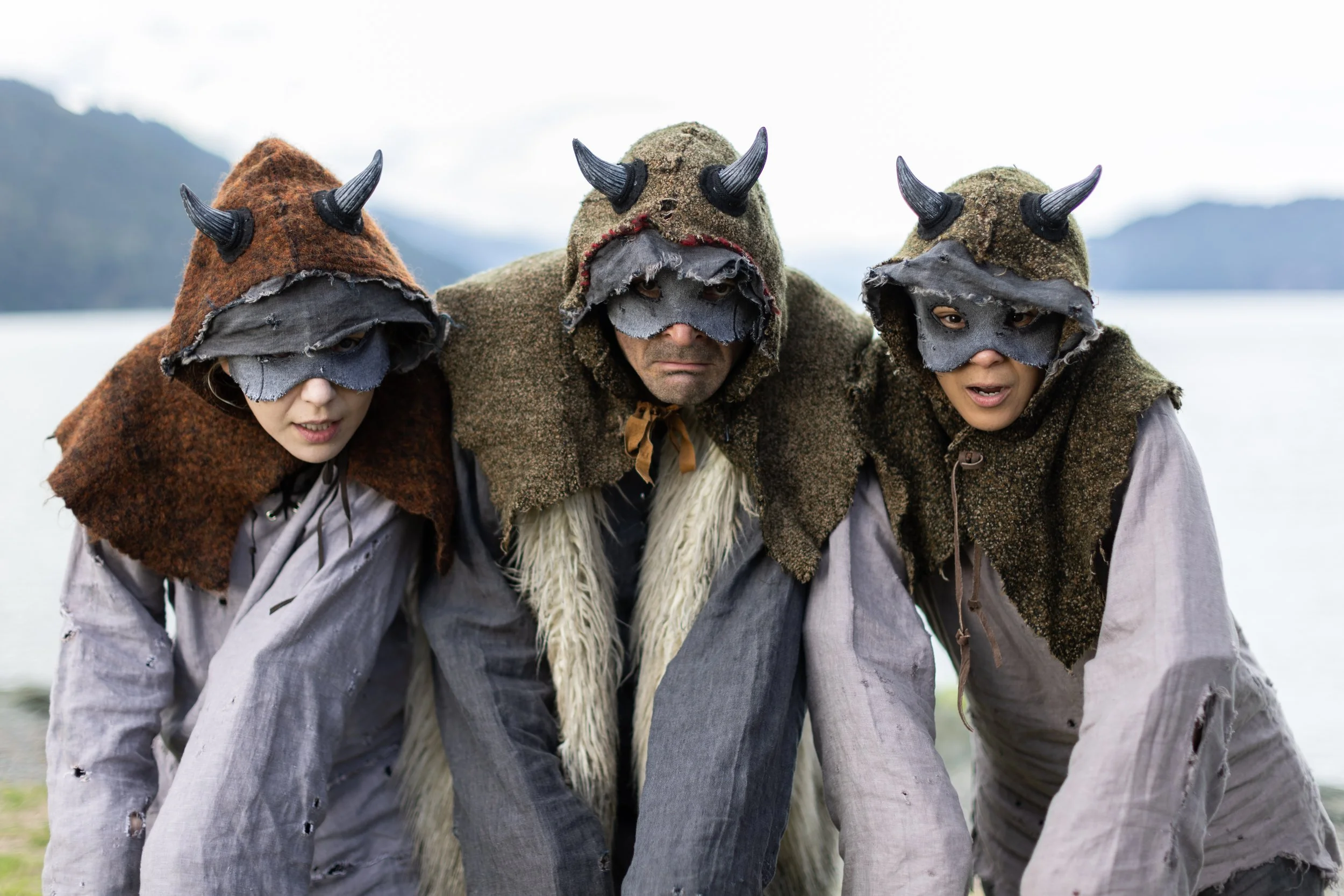
“King Arthur’s Night” (the play) was a mashup of the Arthurian legend and Niall’s best and worst childhood memories. Niall’s favourite place in the world is the resort municipality of Harrison Hot Springs, British Columbia, Canada, where a hotel and its pools might be mistaken for a castle and its moat … so of course, this is Camelot. Niall had a bad experience with a goat when he was a boy … so of course, King Arthur faces an uprising from subjugated masses of goats. Niall has a beautiful and complicated father-son relationship with Marcus … so of course, so do King Arthur (played by Niall) and the wizard Merlin (played by Marcus).
KING ARTHUR’S NIGHT (the film) unfolds in Camelot, as King Arthur and Merlin look back on their lives … and in Harrison Hot Springs, as Niall and Marcus look back on their lives. Other characters include the famous Guinevere, Lancelot, Galahad, Morgana and Mordred, and the less famous Magwitch, Saxon and Quelibel … and all of the performers who play them. Their guide - and the audience’s - is the legendary Lady of the Lake.
Brimming with magic, memory and metaphor, KING ARTHUR’S NIGHT explores themes of difference and disability, and asks questions about who gets to tell stories, and who gets to wear the crown. A deeply emotional and powerful story of fathers and sons, by turns comic and tragic, and real and surreal, it’s about the powers of imagination and inclusion to change lives and worlds.
KING ARTHUR'S NIGHT pushes the boundaries of "access aesthetics" - the understanding that accessibility practices both remove barriers, and contribute to the creative vocabulary of a work. The film features "Integrated Described Video", or "IDV", for the blind and partially sighted - carefully considered dialogue & narration & sound design that does the job that described video does, without having to turn it on, and without sighted audiences even realizing it. The film also features best in class captioning for the deaf and hard of hearing. Both of these features offer opportunities for truly accessible and inclusive screenings for audiences across differences - those who can see and those who can't, and those who can hear and those who can't, all gathering in the same theatres, having the same shared experiences.
KING ARTHUR'S NIGHT is an Opus 59 Films production, presented by AMI (Accessible Media Inc.), with the participation of the Canada Media Fund, Telefilm Canada, the Rogers Documentary Fund, Creative BC and the BC Arts Council, in association with Knowledge Network. It was developed with the support of the Canada Council for the Arts, the Creative BC / Rogers Group Of Funds Documentary + Factual Development Fund, and Telefilm Canada.






EXCERPTS
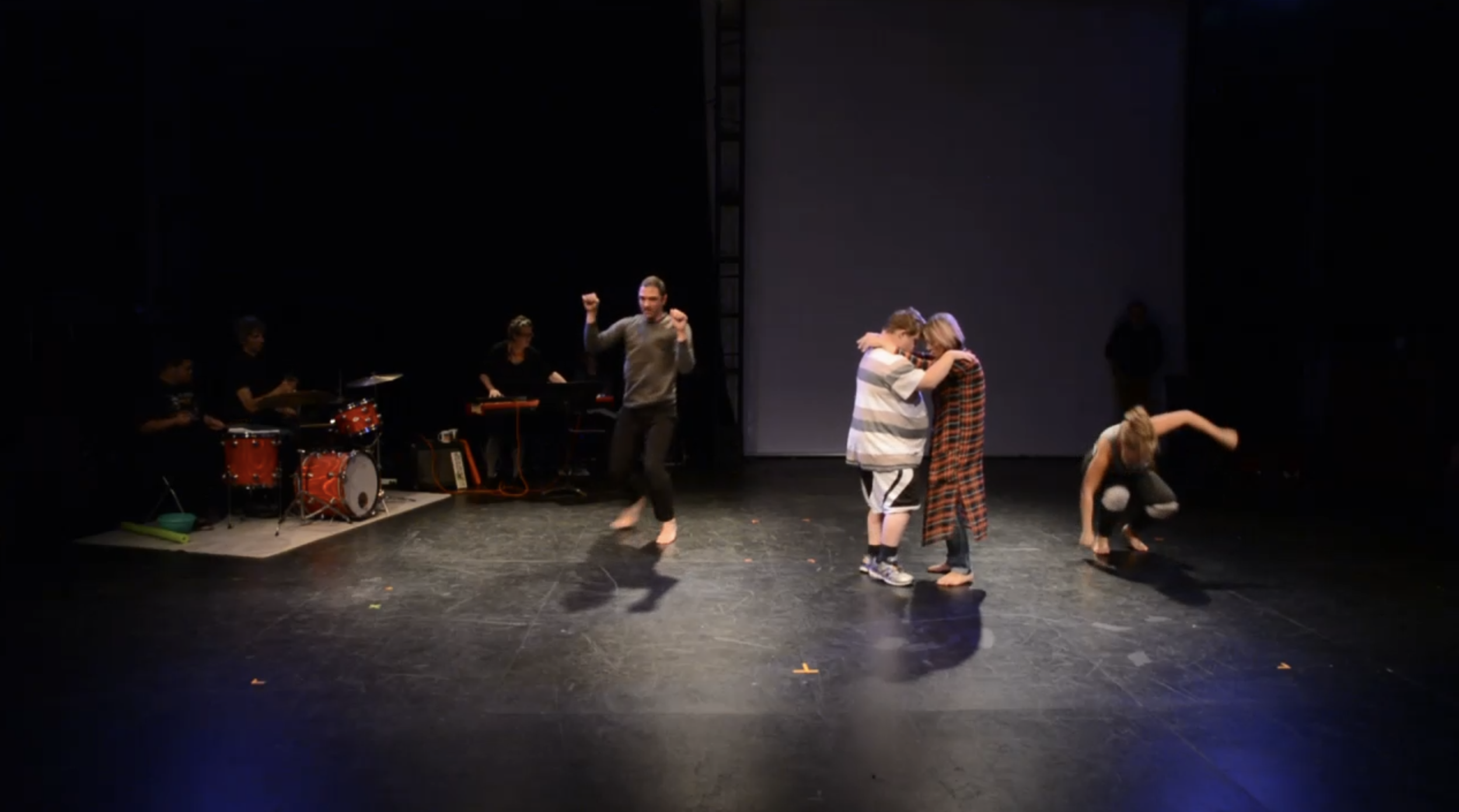
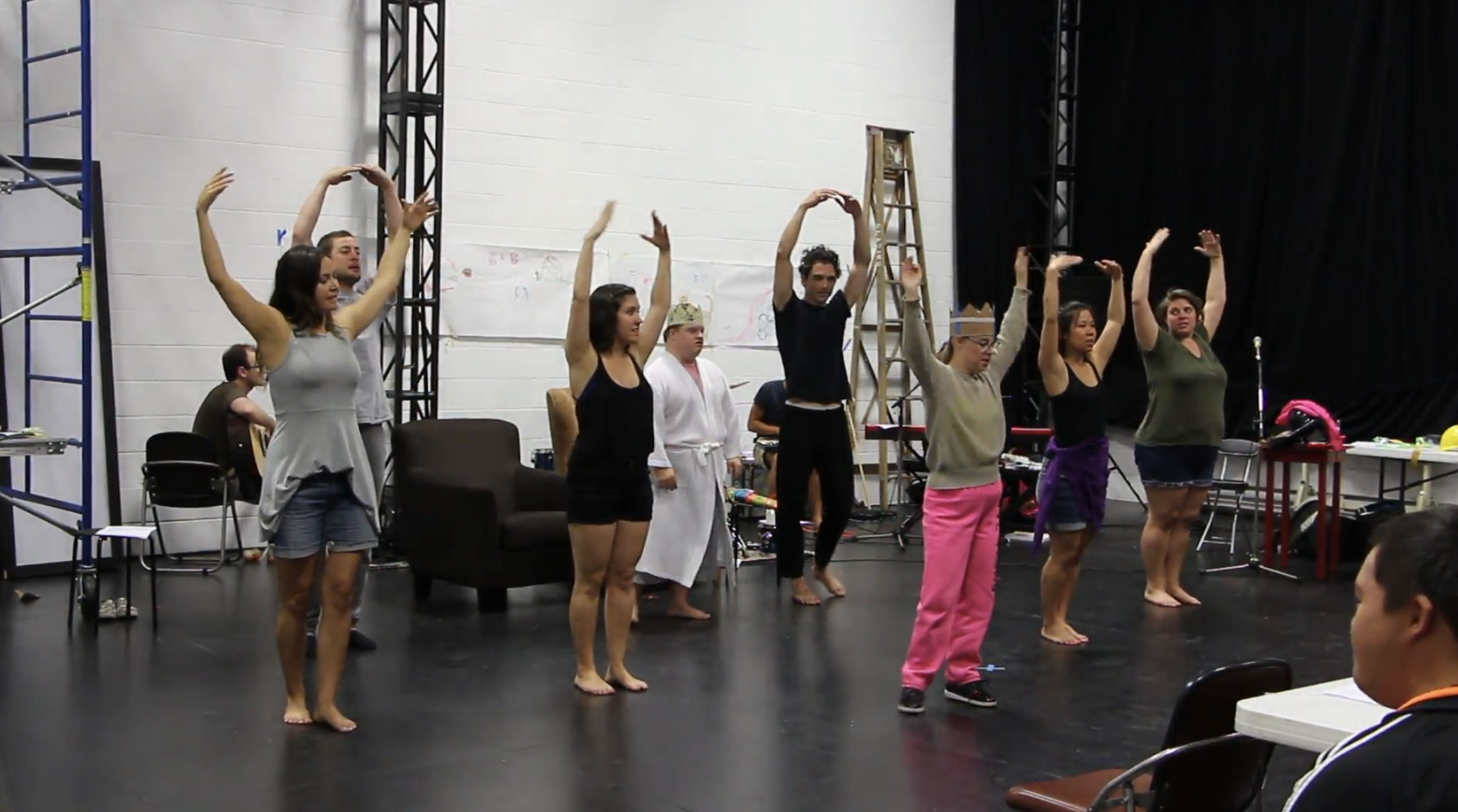
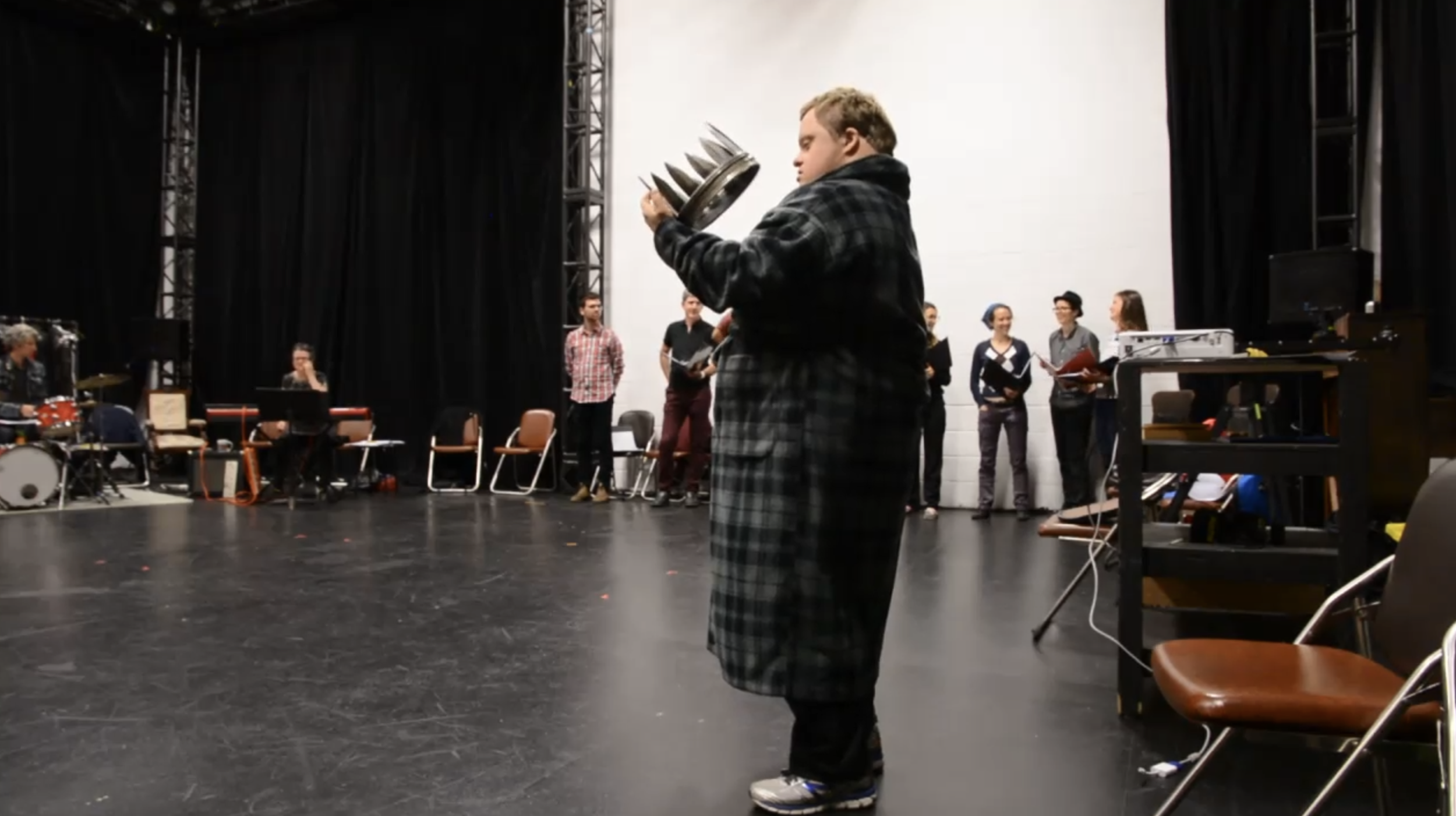
CREATING THE PLAY
PERFORMING THE PLAY
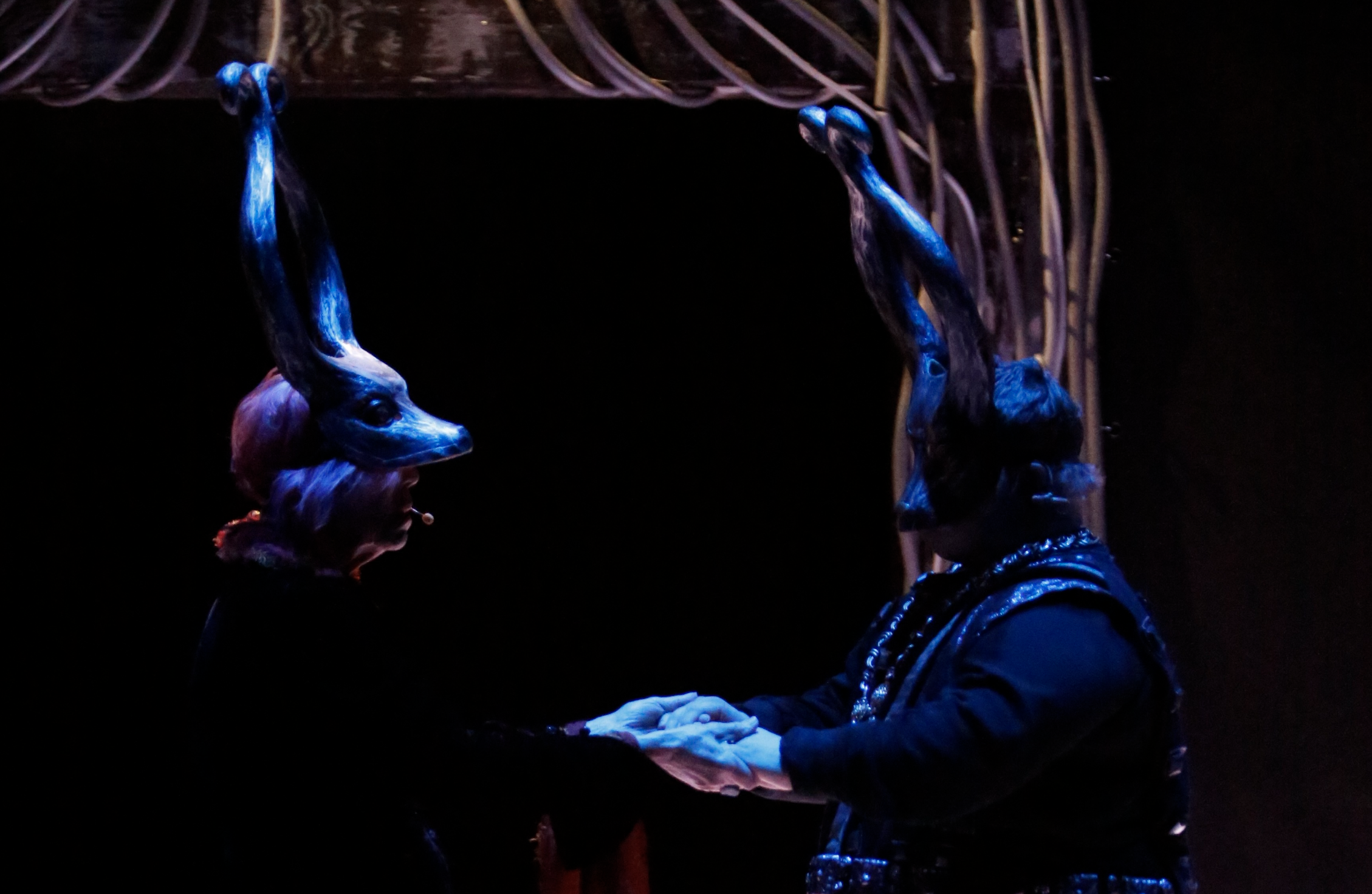
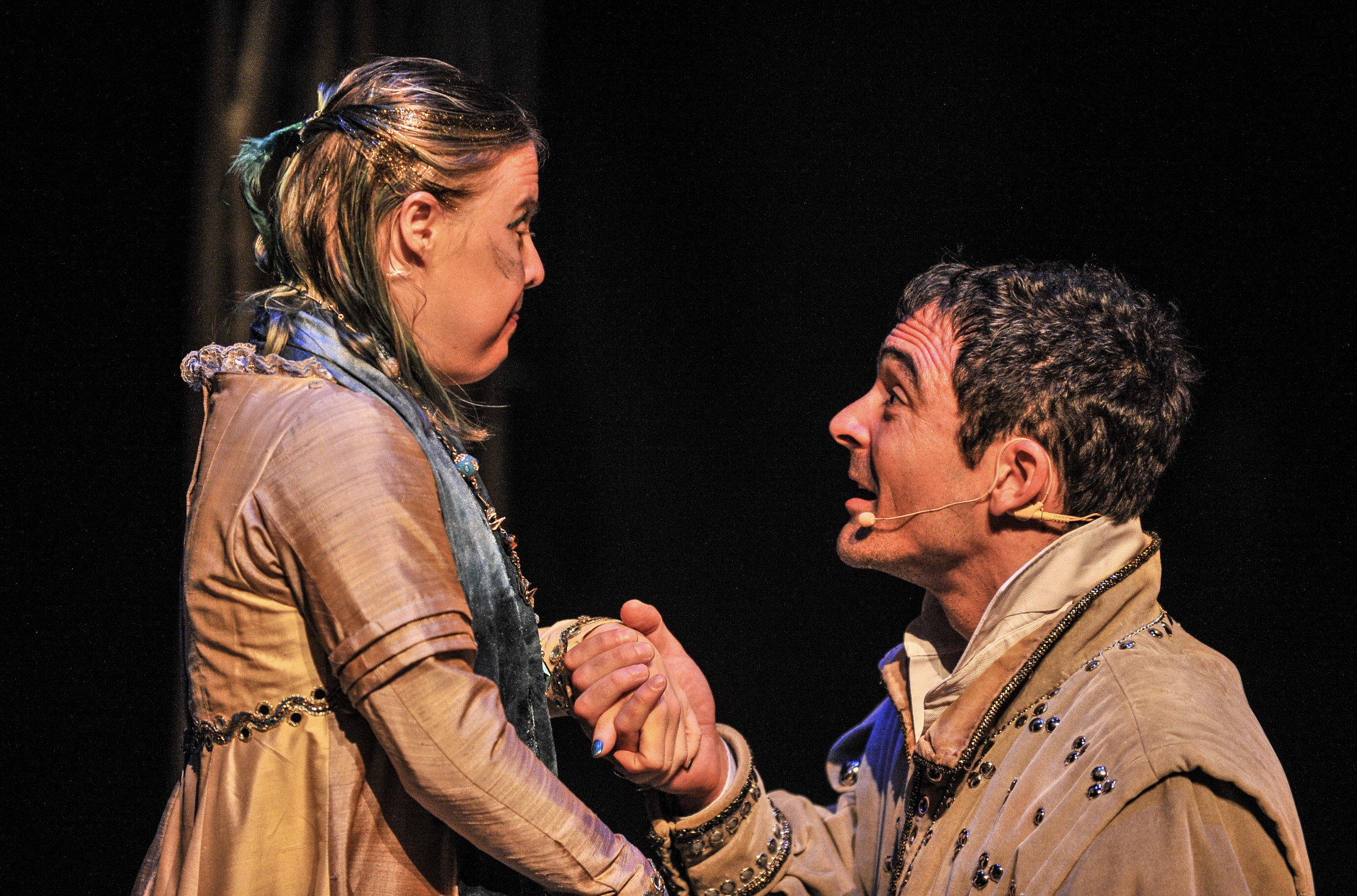
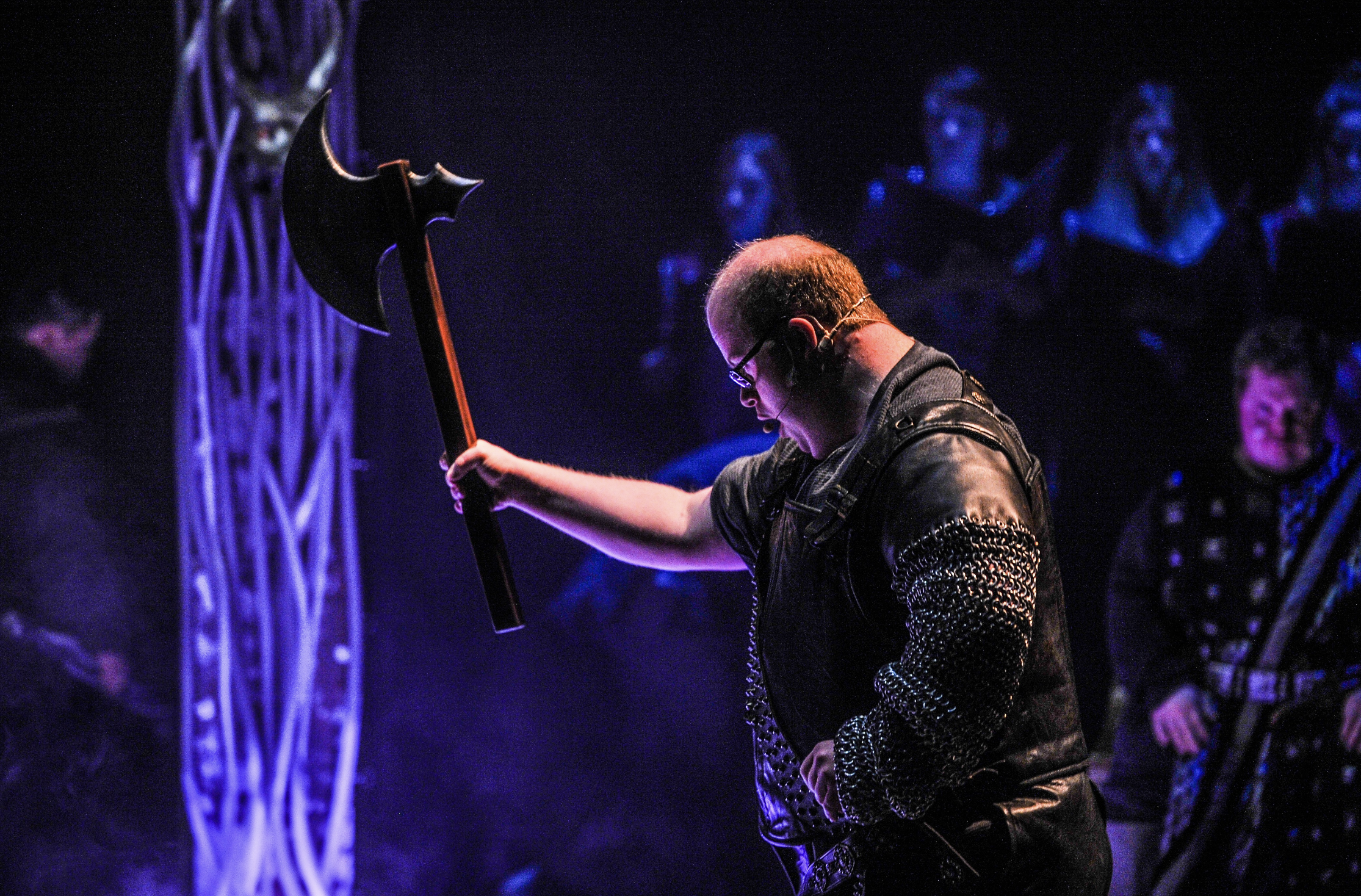
“King Arthur’s Night” was a rare thing: a bone fide theatrical hit across Canada. It got rave reviews and played to sold out houses at the Luminato Festival in Toronto; the Canada Scene Festival at the National Arts Centre in Ottawa; and the PuSh International Performing Arts Festival in Vancouver. It then had its international premiere at the No Limits Festival in Hong Kong. An international tour, and a second Canadian tour, were put on hold because of COVID-19.
In 2018, filmmaker John Bolton (and his mom) saw a relaxed performance of the play at PuSh. It was one of the greatest theatre-going experiences that he’d ever had in his life. It was funny, sad and scary; he was amused, moved and upset; he laughed, cried and gasped. It brimmed with magic, memory and myth, and it effortlessly dramatized themes of imagination and inclusion. In its casting of neurodiverse performers in the highest status roles (the King; the Queen), it forced him to examine my privilege as an able-bodied neurotypical, and it made him think about the world in a new way.
THE PUBLISHED PLAY
In 2019, John’s mom gave him a copy of the recently published play, and he was able to more fully appreciate Niall’s and Marcus’ amazing writing. The better John got to know the text, the more he wanted to bring “King Arthur’s Night” to new life as a film.
THE ORIGINAL CAST RECORDING
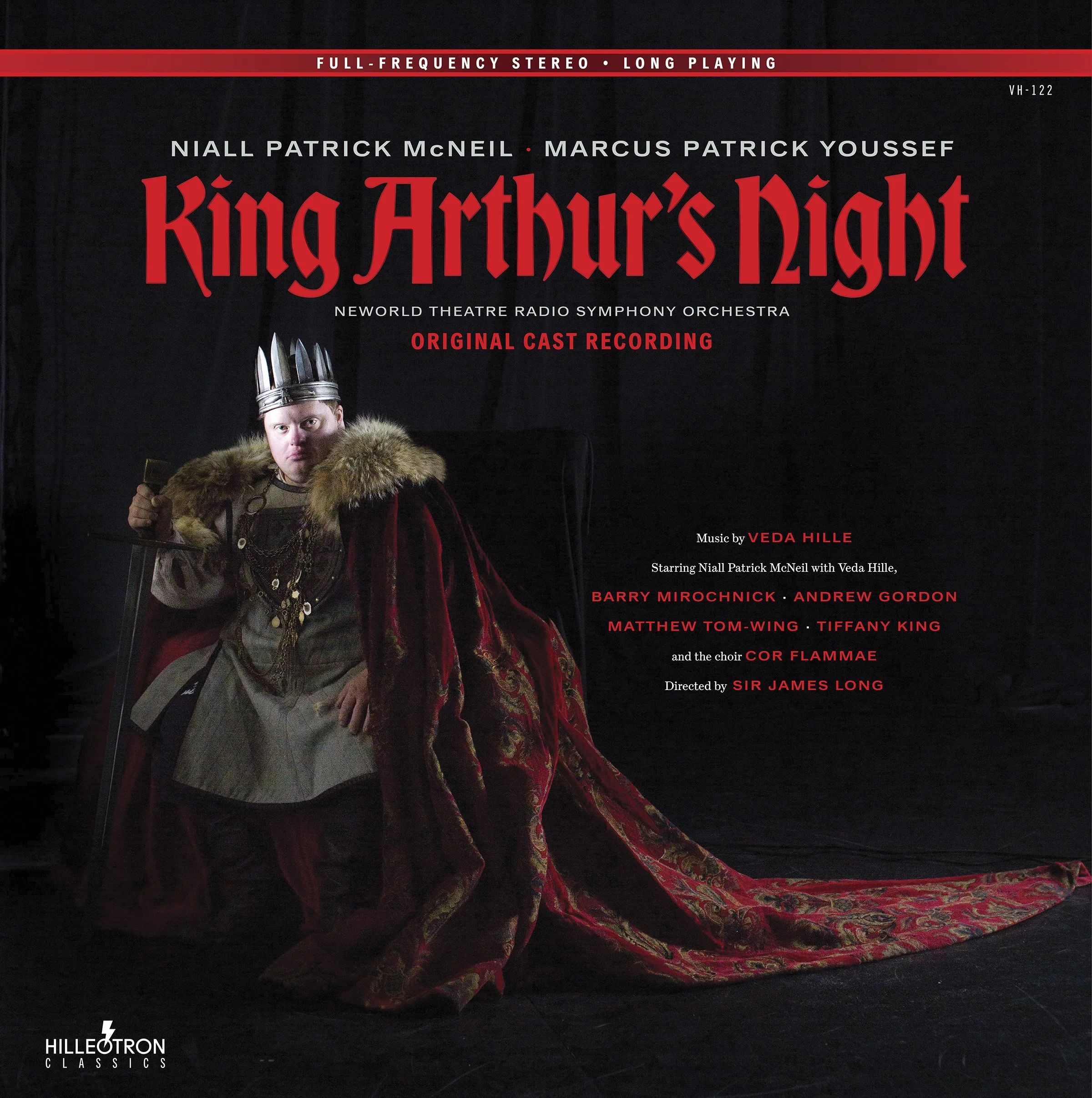
In late 2019, John got himself a copy of the recently released original cast recording, and he was able to more fully appreciate Veda’s amazing songs. The better John got to know the tunes, the more he wanted to bring “King Arthur’s Night” to new life as a film.
DEVELOPING THE FILM
In early 2022, John started pitching the project to funders, and he held the entire cast for the first week of October 2022, the only window that year when all of them were available at the same time.
In mid-2022, John got married to his girlfriend, Sarah. Shortly after, on his honeymoon, John received his first piece of funding from the Canada Media Fund. Shortly after, he received further funding from the BC Arts Council and Creative BC. Shortly after, Accessible Media Inc. (AMI) and Knowledge Network came on board as broadcasters. He was now able to start shooting the film.
In 2020, John started meeting with, and getting to know, Niall, Marcus and Veda. The more that he learned about the making of the play and songs, the more obvious it was to him that any adaptation would have to include as much backstory as story.
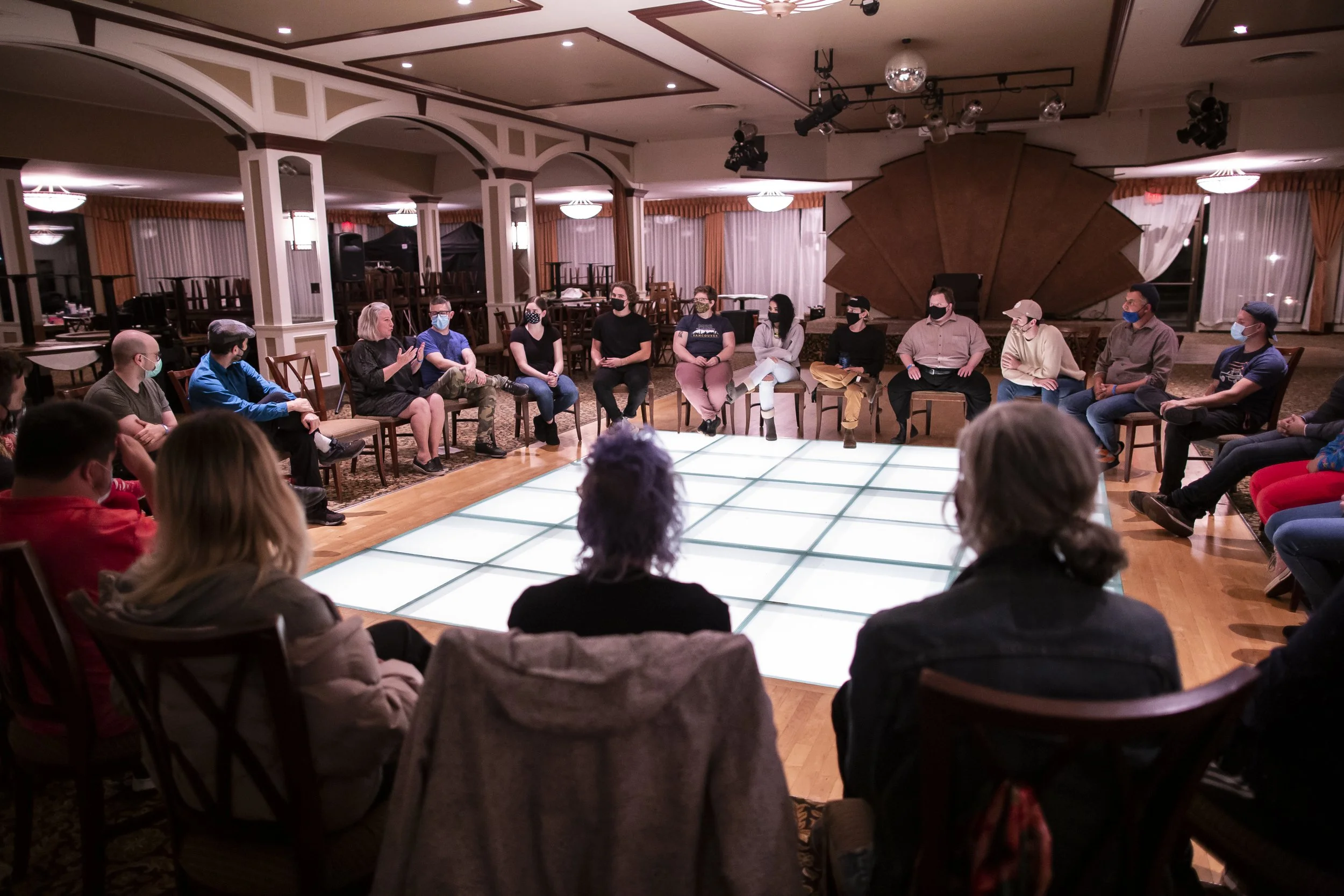
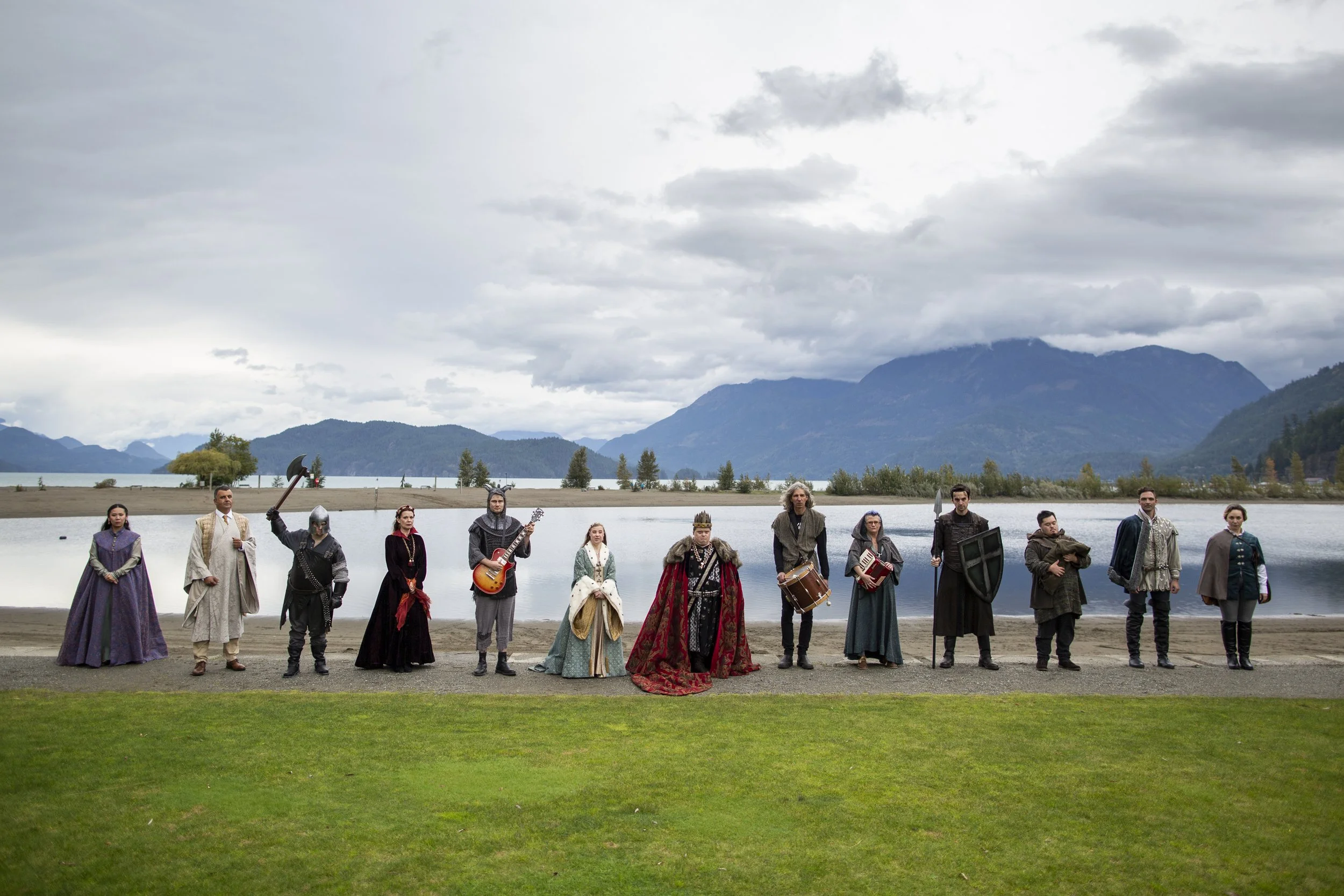
In 2021, with the support of the Canada Council of the Arts and Telefilm Canada, John took the entire cast and a small film crew out to Harrison Hot Springs for two days and one night, for a test shoot consisting of interviews and musical numbers. It was the first time that the cast had seen each in almost two years (their tour was canceled because of COVID-19). It was also the first time that many of the cast had ever been to Harrison Hot Springs - the actual and spiritual setting of “King Arthur’s Night.
STARTING THE FILM
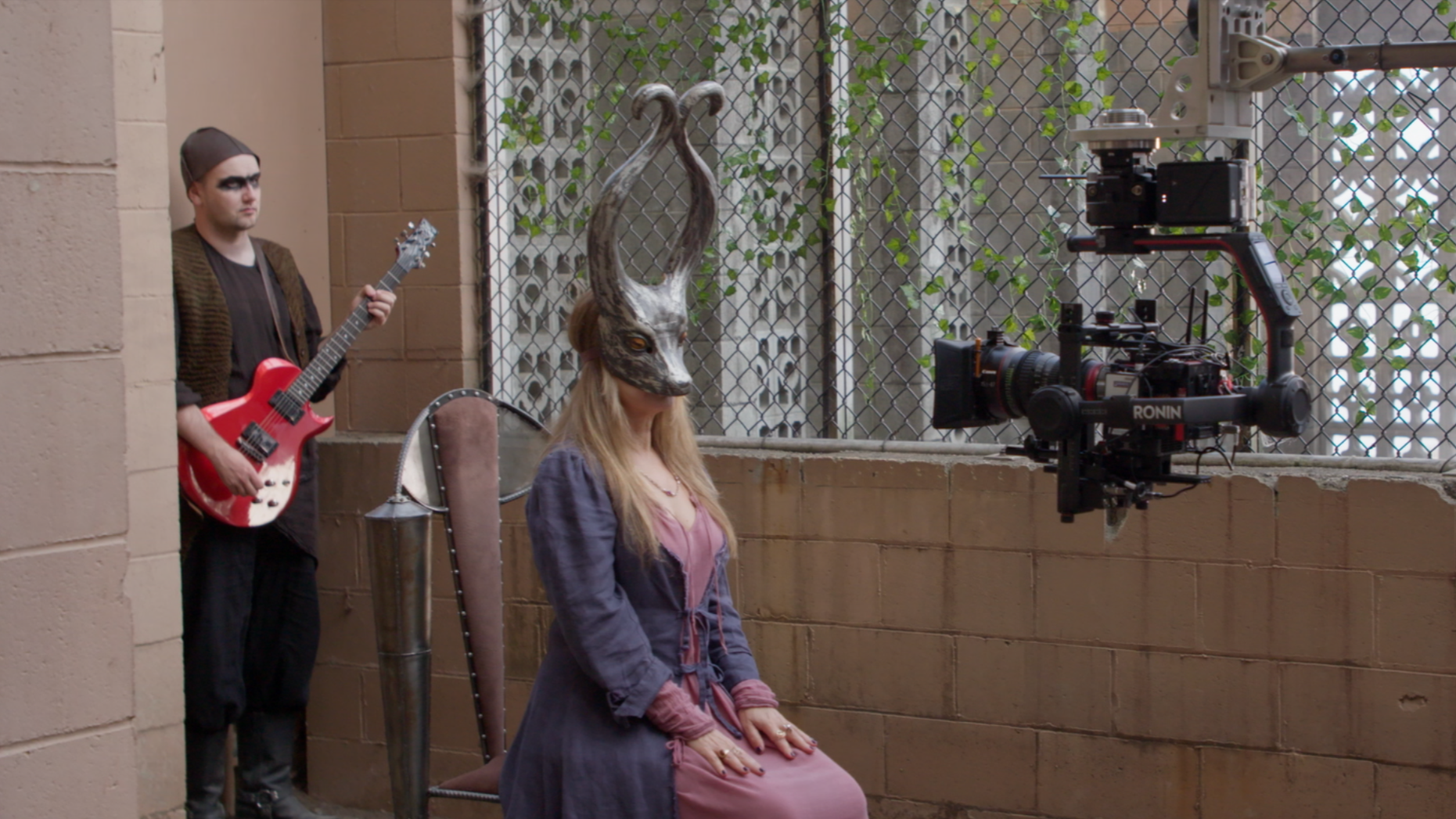
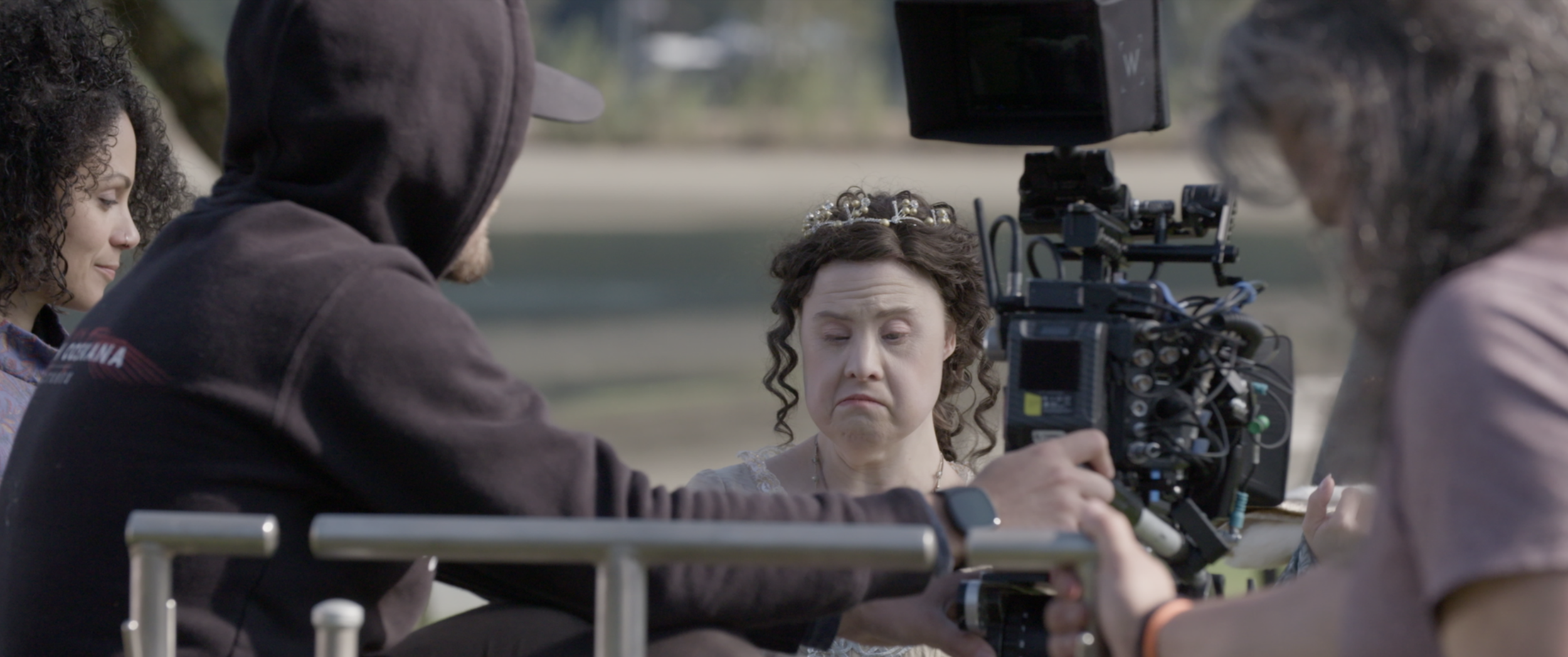
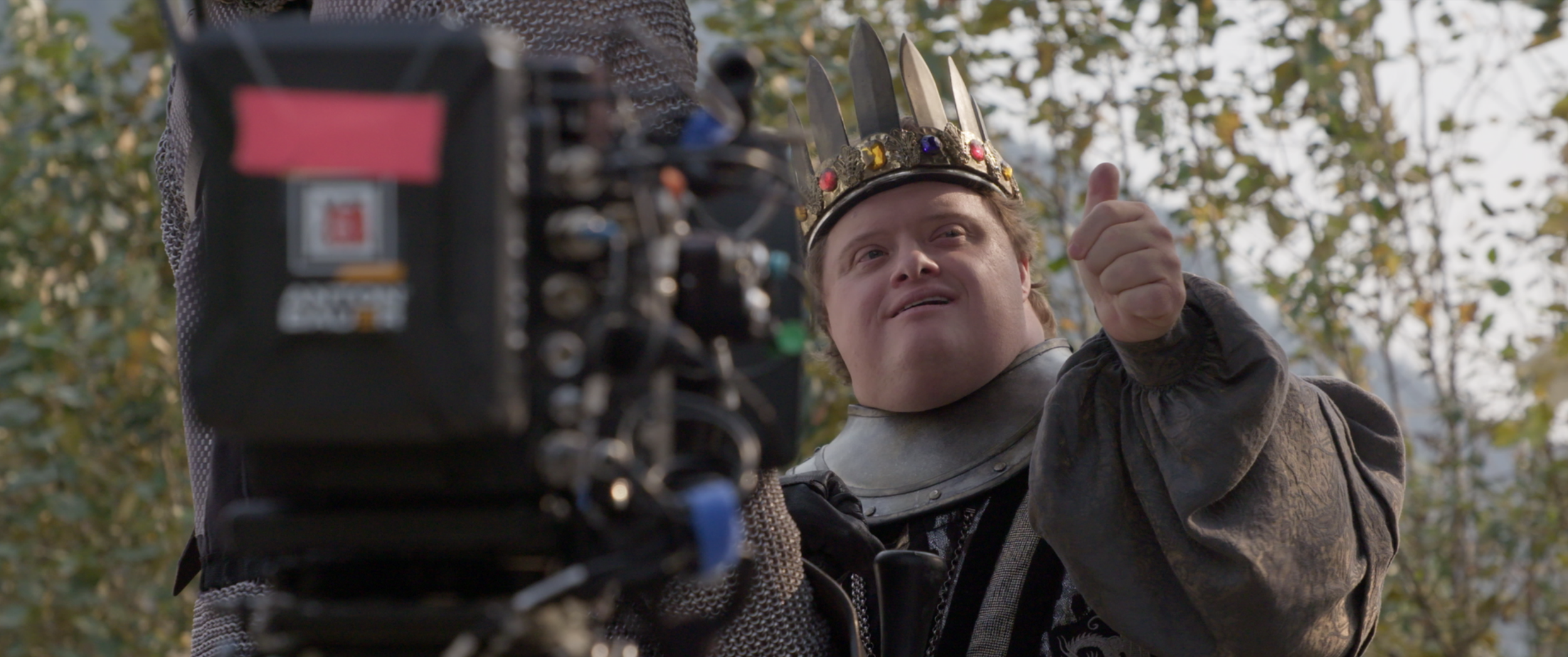
The shoot was cross-cultural in many ways: bigger budget filmmaking meeting indie filmmaking; film culture meeting theatre culture; neurodiverse culture meeting neurotypical culture. It was one of the best experiences that almost every member of the cast and crew had ever had … except for John. After one day, the film was already behind schedule. After six days, the film was already over budget. After wrap, John and his editor started working away, and they realized that they didn’t have enough footage to make a movie.
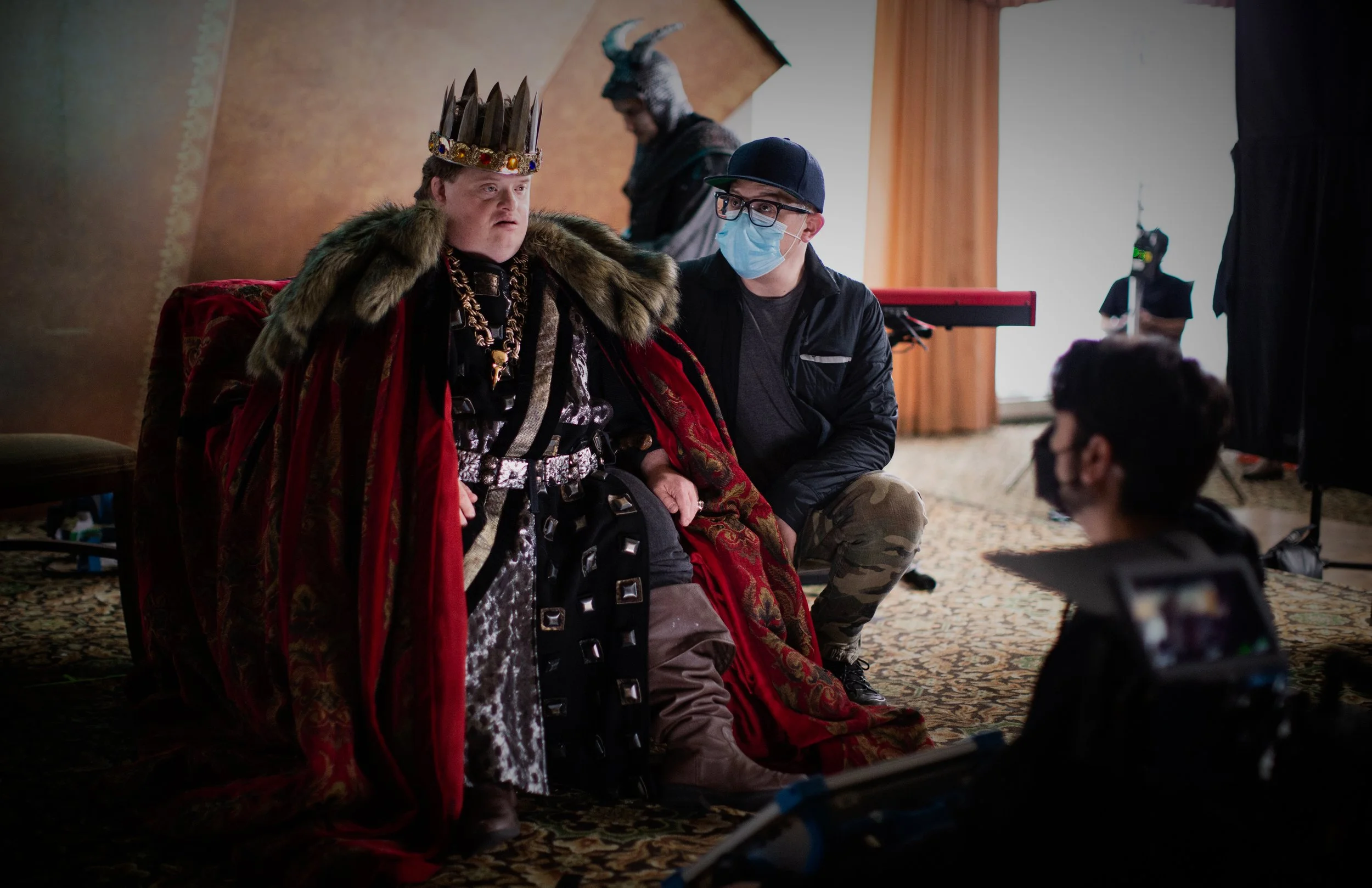
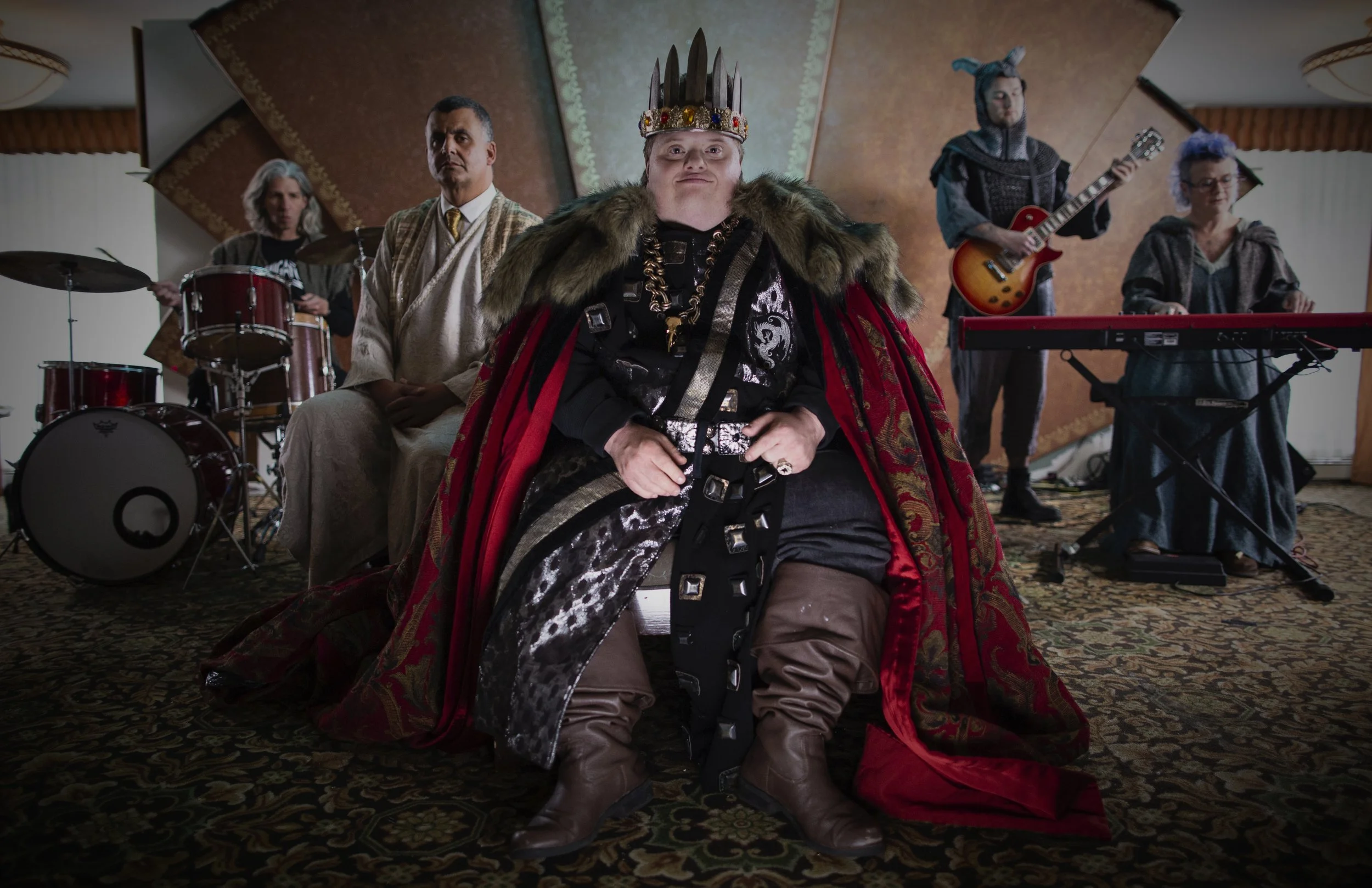
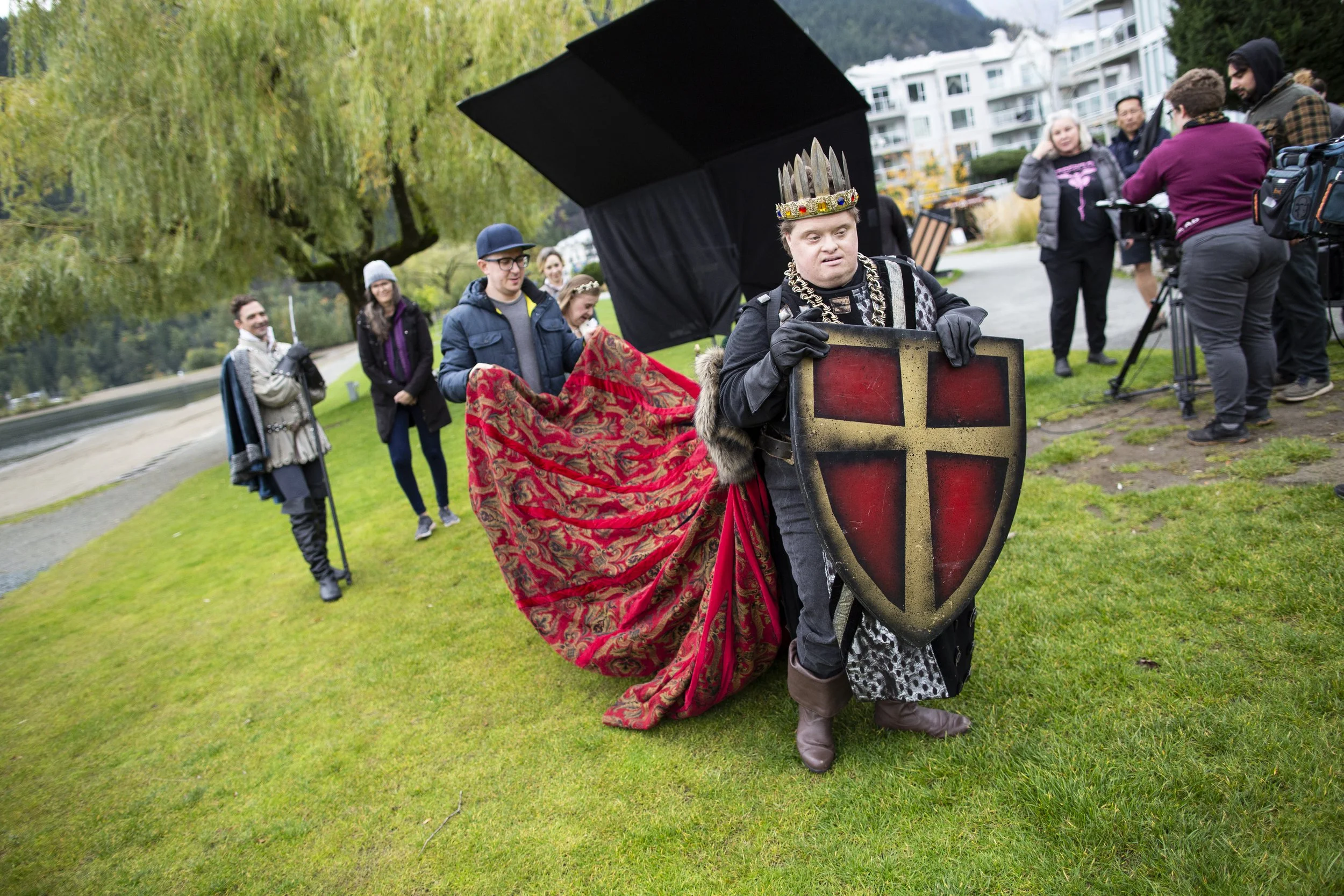
In October 2022, John took the entire cast and a large crew out to Harrison Hot Springs for seven nights and six days, to shoot (mostly) the dramatic scenes and musical numbers from the play. The Copper Room at Harrison Hot Springs Resort was Arthur’s throne room; the cinder block enclosure at the source of the hot springs was Morgana’s castle; the beach by the lagoon was the field of the final battle.
The shoot was cross-cultural in many ways: bigger budget filmmaking meeting indie filmmaking; film culture meeting theatre culture; neurodiverse culture meeting neurotypical culture. It was one of the best experiences that almost every member of the cast and crew had ever had … except for John. After one day, the film was already behind schedule. After six days, the film was already over budget. After wrap, John and his editor started working away, and they realized that they didn’t have enough footage to make a movie.
In December 2022, John started pitching the project to more funders, and he held the entire cast for one week.
In May 2023, the only window that year when all of them were available at the same time.
In January 2023, Sarah gave birth to her and John’s son, Silas.
In April 2023, John received further funding from Telefilm Canada and the Rogers Documentary Fund. He was now able to continue shooting the film.
In May 2023, John took the entire cast, and a mid sized crew, back out to Harrison Hot Springs, for five nights and four days, to shoot (mostly) documentary footage, including an interview with Niall and Marcus (as themselves) in the nicest suite at the resort, as well as an “interview” with Niall & Marcus (as Arthur and Merlin) at the very end of a pier stretching out into Harrison Lake. They also shot several pickups, including the cast checking in with each other in the Copper Room; a musical number in the hot springs at the resort (standing in for the Arthur’s castle’s moat); and an insert shot of John’s and Sarah’s son Silas (with prosthetic horns) in his on-screen debut as a “goat baby.”
The shoot was one of the best experiences that almost every member of the cast and crew had ever had … including John. The film was now back on schedule, and back on budget, and John and his editor now had enough footage to make a movie.
FINISHING THE FILM
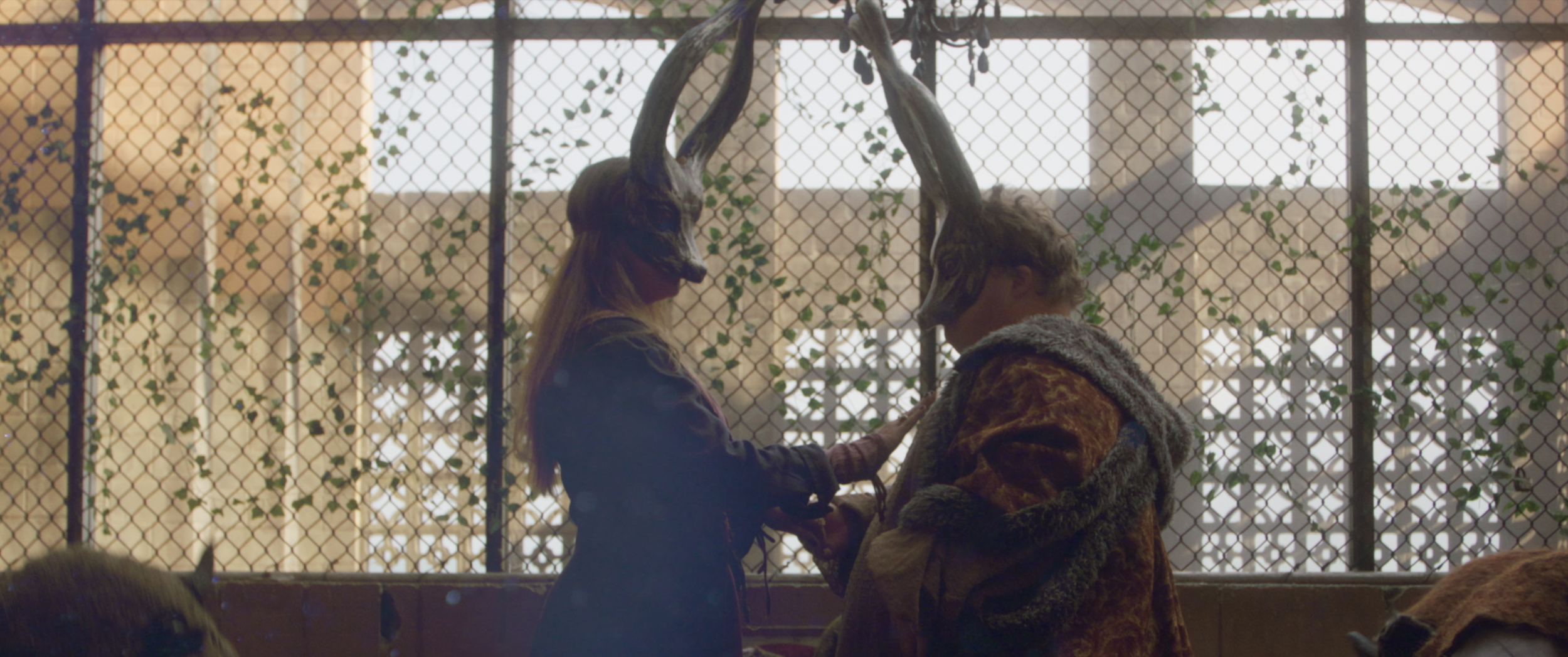
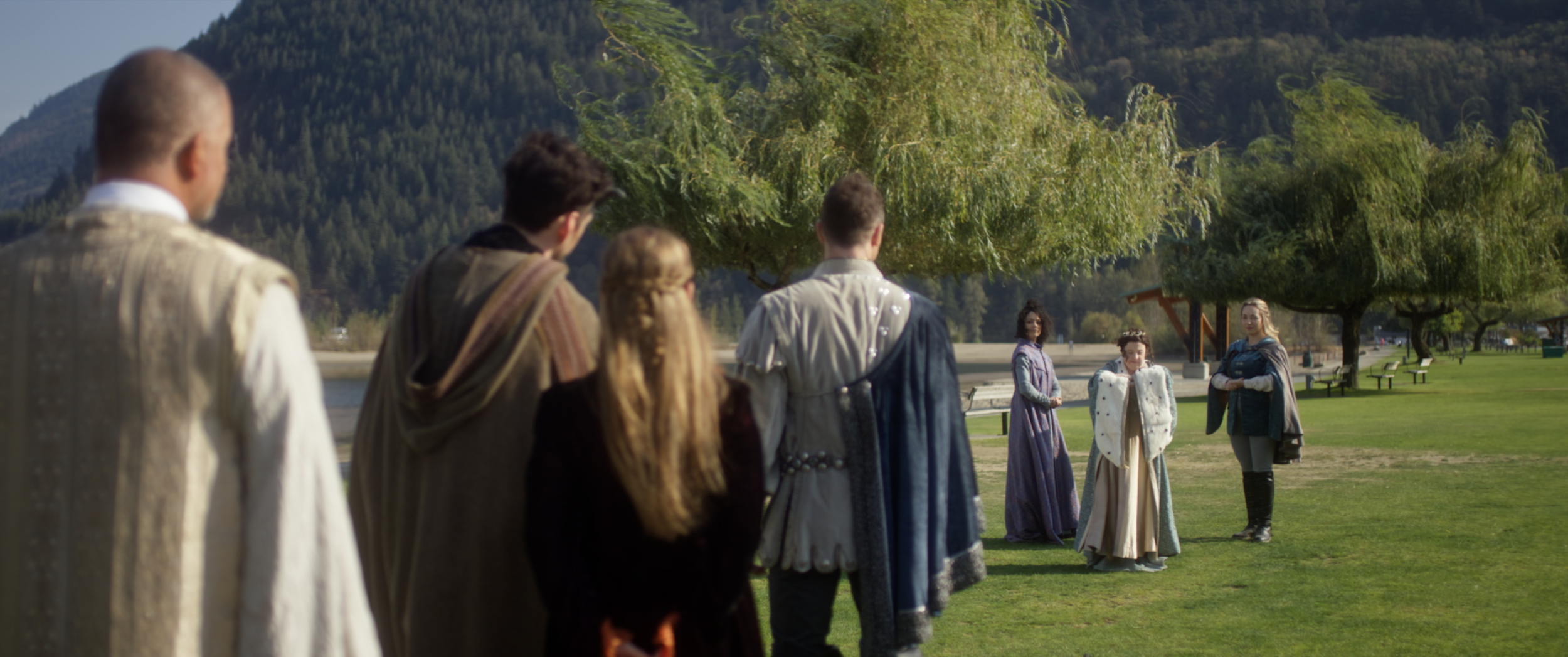
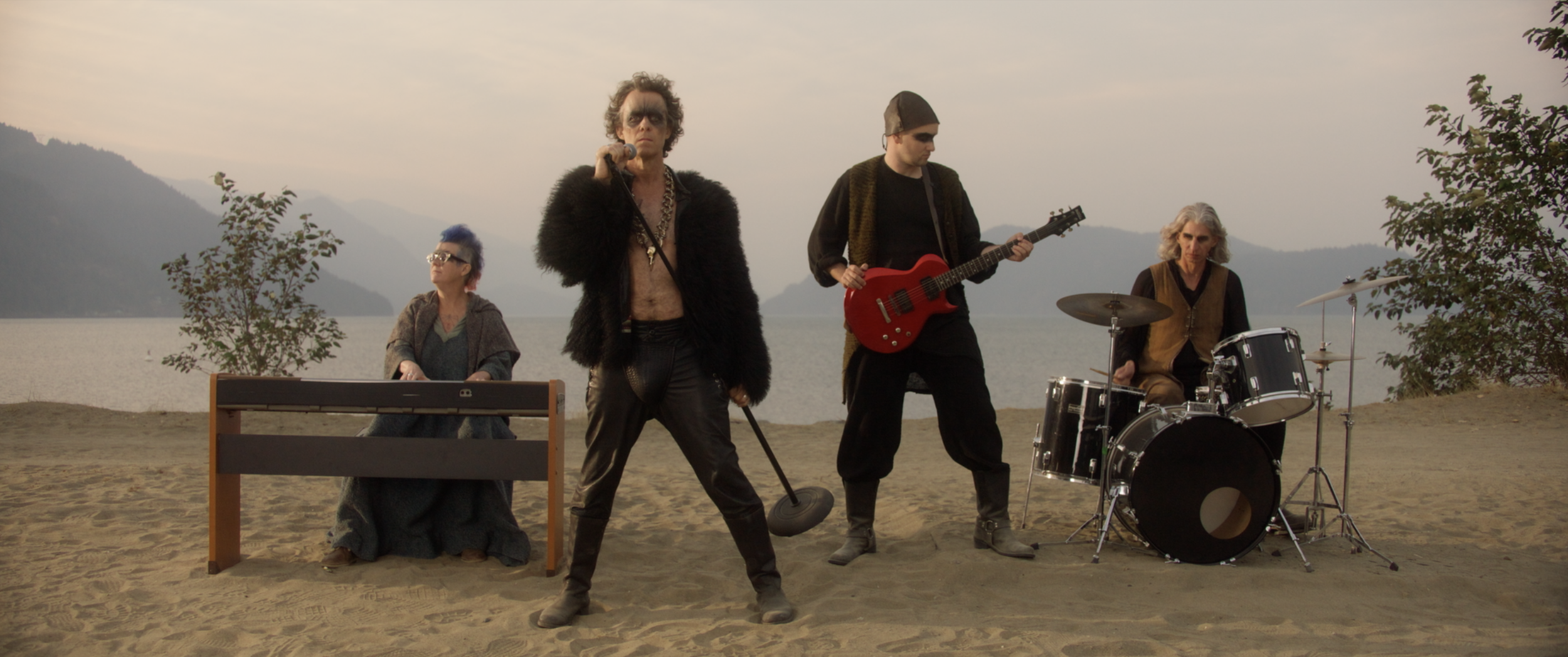
For the rest of 2023, and throughout 2024, and into 2025, John and his editor worked on the film, finding the balance between the “Camelot” footage from the first shoot, and the “Harrison” footage from the second shoot, and behind-the-scenes footage from both shoots, telling three stories at the same time. They also worked closely with AMI to make the film accessible for blind and partially sighted audiences by creating a character - the Lady of the Lake - who not only described the video, but also narrated the story in a straightforward way, and interacted with Arthur and Merlin in a more mysterious way. They also worked closely with Line21 Media Services to create best-in-class captioning for deaf and hard-of-hearing audiences.
During this time, John’s father, Michael, dealt with numerous health issues. John, of course, was also a new father. As a result, the film became much more about fathers and sons than John had ever anticipated.
In another family connection, John dedicated the film to Sarah’s late mother Vivian, as well as Vivian’s late sister Allison, who had Down syndrome.
In May 2025, the director’s cut of the film had its world premiere at the DOXA Documentary Film Festival.
John Bolton
Producer / Director
“The relaxed performance of “King Arthur’s Night” (the play) that I saw at the PuSh Festival in Vancouver in 2018 was one of the greatest theatre-going experiences of my life. It was funny, sad and scary; I was amused, moved and upset; I laughed, cried and gasped. It made me think about the world in a new way, and it changed my life, and I could imagine it changing the world, if only the world could see it. Thanks to AMI, now it will.”
John Bolton is an award-winning filmmaker from Vancouver, Canada, and the founder & chief creative officer of Opus 59 Films, a boutique storytelling enterprise focused on adapting, and making films about, extraordinary works of music, literature and art. He brings a very particular erudition and sensibility to Opus 59 Films’ diverse portfolio of projects.
John is best known for "Aim For The Rose" (for Blue Ice Docs and Monoduo Films, with the support of the Canada Council for the Arts and the British Columbia Arts Council), about Canadian musician Mark Haney and Canadian daredevil Ken Carter. Exclaim! Magazine called it “enthralling and thought provoking”, the Globe and Mail called it “audacious and outrageous” and POV Magazine called it “bizarre, ambitious and ridiculously entertaining” and “the wildest, craziest, smartest doc in years”. "Aim For The Roses" had its world premiere at Hot Docs in Toronto, was the opening night film at DOXA in Vancouver, played in festivals around the world, had its broadcast premiere on CBC / Documentary Channel, and was nominated for 5 Leo Awards and a Vancouver Film Critics Circle Award. It’s available on Apple TV in Canada and Vimeo On Demand worldwide.
John recently produced and directed the documentary " The Lake / nx̌aʔx̌aʔitkʷ ", about an extraordinary friendship between two singers & teachers - Heather Pawsey of Astrolabe Musik Theatre, and Delphine Derickson of Westbank First Nation - and the groundbreaking cross-cultural collaboration in which they decolonized a historic Canadian opera by incorporating syilx / Okanagan perspectives. It had its world premiere at FIFA in Montreal. The Georgia Straight called it “remarkable, heartfelt and memorable” and the National Observer called it “fascinating” and said that “it’s hard to imagine if there can be many other films like it”.
John also recently produced Teresa Alfeld’s documentary "Doug And The Slugs & Me" (for CBC / Documentary Channel), a POV documentary following Teresa’s journey uncovering the story of her childhood best friend’s dad, Doug Bennett, leader of the legendary 1980s Canadian band Doug and the Slugs. It had its world premiere at DOXA in Vancouver, where it was the closing night film. The Globe and Mail called it “an atypical rock doc” and said that “the film has a soul”, POV Magazine called it “fun, fast and personal” and TV Eh? called it “wonderfully moving”.
Niall McNeil
Producer / Star / Subject
"I can answer about 25 questions about the film ... Arthur is really hard [to answer questions about]. He’s a great guy. He's a star. He's cool ... I really like me and Marcus. I like the music, when Veda is using her imagination. Same thing with Devon [Cooke, the location sound recordist]. Great sound ... Memories of Tiffany [King, who plays Guinevere] when she's sad ... When I first met John, we were having dinner, and I realized, maybe I could work with this guy. He’s extremely hard working, and tired all the time, and he never takes a break in the hot springs. Long days, long nights. I can't believe we have to get up at 5am ... We need people to watch the film, and see how they feel about watching cast who have Down syndrome, and watching cast who are non- Down syndrome ... It's a long wait. Everybody wants to see it."
Niall McNeil has been involved with theatre from an early age through his long association with the Caravan Farm Theatre in Armstrong BC. He was an ensemble member of Vancouver’s Leaky Heaven Performance Society from 1999-2006 under Director Steven Hill. In 2010 Niall performed in "A Christmas Carol" as a member of the English Acting Company of the National Arts Centre, directed by Peter Hinton.
Niall McNeil and Marcus Youssef have co-written two Jessie Richardson award winning plays: "Peter Panties" (Leaky Heaven / Neworld Theatre, 2011) and "King Arthur’s Night" (Neworld Theatre, 2017). Niall also acted in "King Arthur’s Night" as the main character King Arthur.
Niall acted in Marie Clements short film "Pilgrims" in 2012. It screened at the Toronto International Film Festival and at Telefilm Canada’s Not Short On Talent at the Cannes Market in 2012. Niall partnered with Marie again as creative collaborator and subject of the National Film Board of Canada’s feature length documentary film "Lay Down Your Heart", which won an audience award at the Vancouver International Film Festival in 2022.
"The Originals" is Niall’s debut documentary film as writer and director. Commissioned by Telus Originals, it premiered at Vancouver’s DOXA Film Festival in 2024 and screened at the Available Light Film Festival in 2025 and at the Oska Bright Film Festival in 2026.
Marcus Youssef
Producer / Star / Subject
"This project was the most massive undertaking of my artistic career, in scale, scope, and in the attempt to imagine a slightly better, more loving and more authentically inclusive society than the one we currently share. Its resonances with audiences across the country, and around the world was gratifying. John has realized it on an even bigger scale. His film version makes our production and the process we invented as part of making it accessible to people everywhere. I am grateful, and also a little cowed. It’s humbling to see our attempt to realize and honour the vision of an extraordinary artist who happens to have Down syndrome, as well as the complex, contradictory and loving inclusive community we built around it, come fully to life in the movies. And it’s thrilling, too.”
Playwright, actor and director Marcus Youssef is a recipient of Canada's largest theatre award, the Siminovitch Prize, for his body of work as a playwright and mentor. Marcus' plays all in some way investigate the consequences of difference, both real and perceived. They include "Winners and Losers", "Jabber", "ali and ali and the aXes of evil", "How Has My Love Affected You?", "The In-Between" and "A Line in the Sand". They have been produced in more than 20 cities and a dozen countries across North America, Asia and Europe, from Toronto to New York to London to Hong Kong, Venice and Berlin. Marcus' additional awards include Germany’s Ikarus Prize, the Vancouver Mayor’s Arts Award, the Rio Tinto Alcan Performing Arts Award, the Chalmers' Canadian Play Award, the Seattle Times Footlight award, the Vancouver Critics’ Innovation Award (three times), and an Honorary Fellowship from Vancouver’s Douglas College.
Veda Hille
Producer / Star / Subject
“I still can't believe our luck in getting to collaborate with John on this film. His clear love of our original work, paired with his vision for his adaptation, was a wild and intriguing ride all the way along. I love what he’s captured on film, and I look forward to having the film in the world for decades to come.”
Veda Hille is a Vancouver musician, composer, theatre maker, and performer. She writes songs, makes records, co-writes musicals, collaborates in devised theatre, and fulfills other interesting assignments as they arise. Veda performs in a wide array of places, alone or with bands, ensembles, symphonies, and casts. Her career spans 35 years of working in Canada and abroad. Veda’s work circles around many recurring interests: she writes about the natural world, amazement and the unknown, and the intricacies of human relationships. She strives for an ecstatic connection through weird detail, the universe visible through a microscope. All fancy language aside though, Veda Hille chases down the songs that are in her head and does her best to deliver them to the world, beautifully.
“John’s work is more than contemporary documentary - it’s an archive, a celebration, and a glorious act of storytelling. His care, consideration, and dedication throughout the filmmaking process has inspired its wide community of creators, reinforcing the value of artistic vision and inclusive practice in the arts.”
James Long
Producer
James Long is an Assistant Professor of Theatre and Performance at Simon Fraser University's School for the Contemporary Arts. His work, research, and teaching span a variety of contexts, including live performance, collaborative methods, community-engaged practice, urban intervention, and public art. His projects have been presented across North America, Europe, and Asia. From 2003 to 2022, James served as co-artistic director of Theatre Replacement with Maiko Yamamoto. In 2019, they became the first co-recipients of Canada's largest honour for performance-making, the Siminovitch Prize.
THE TEAM
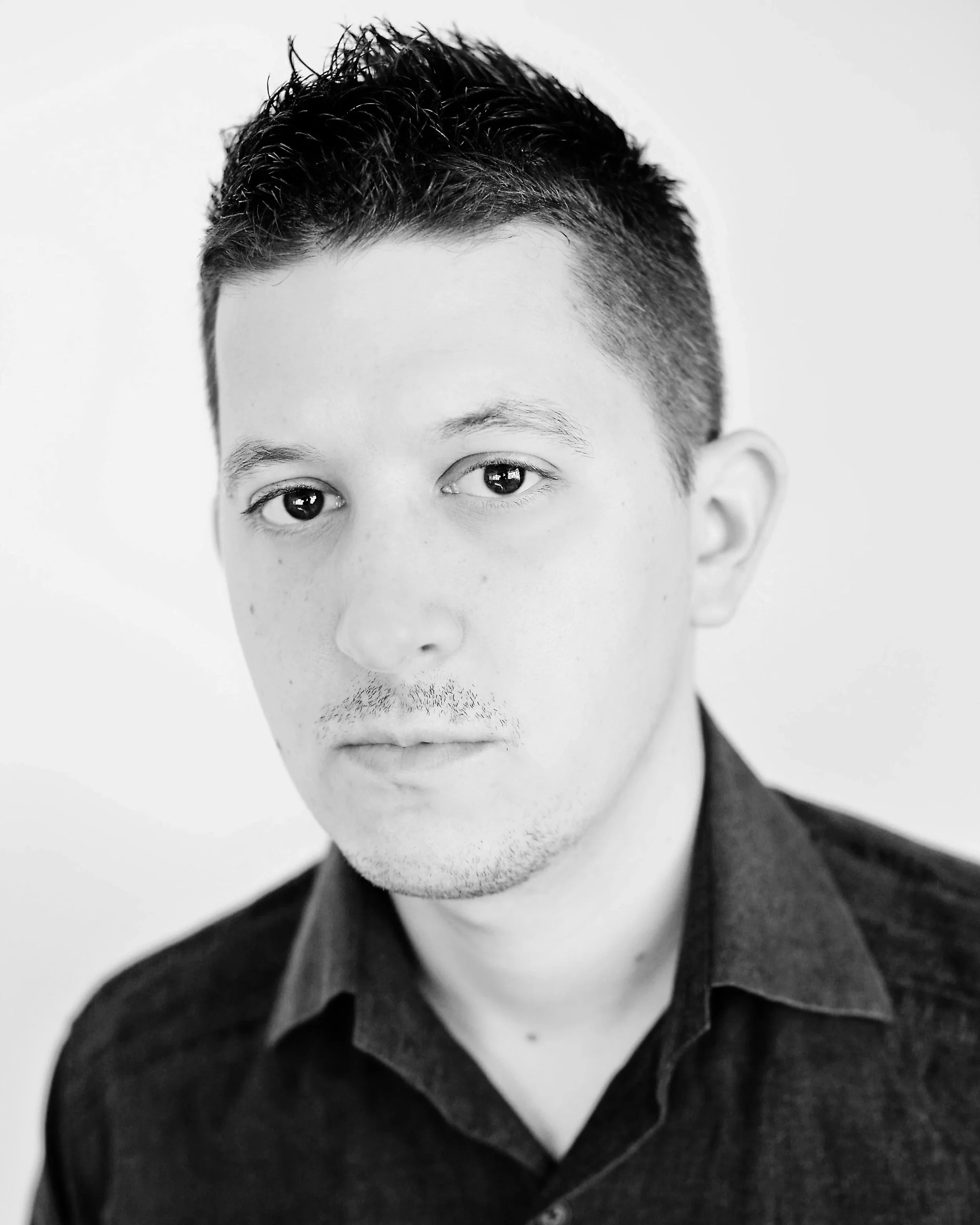
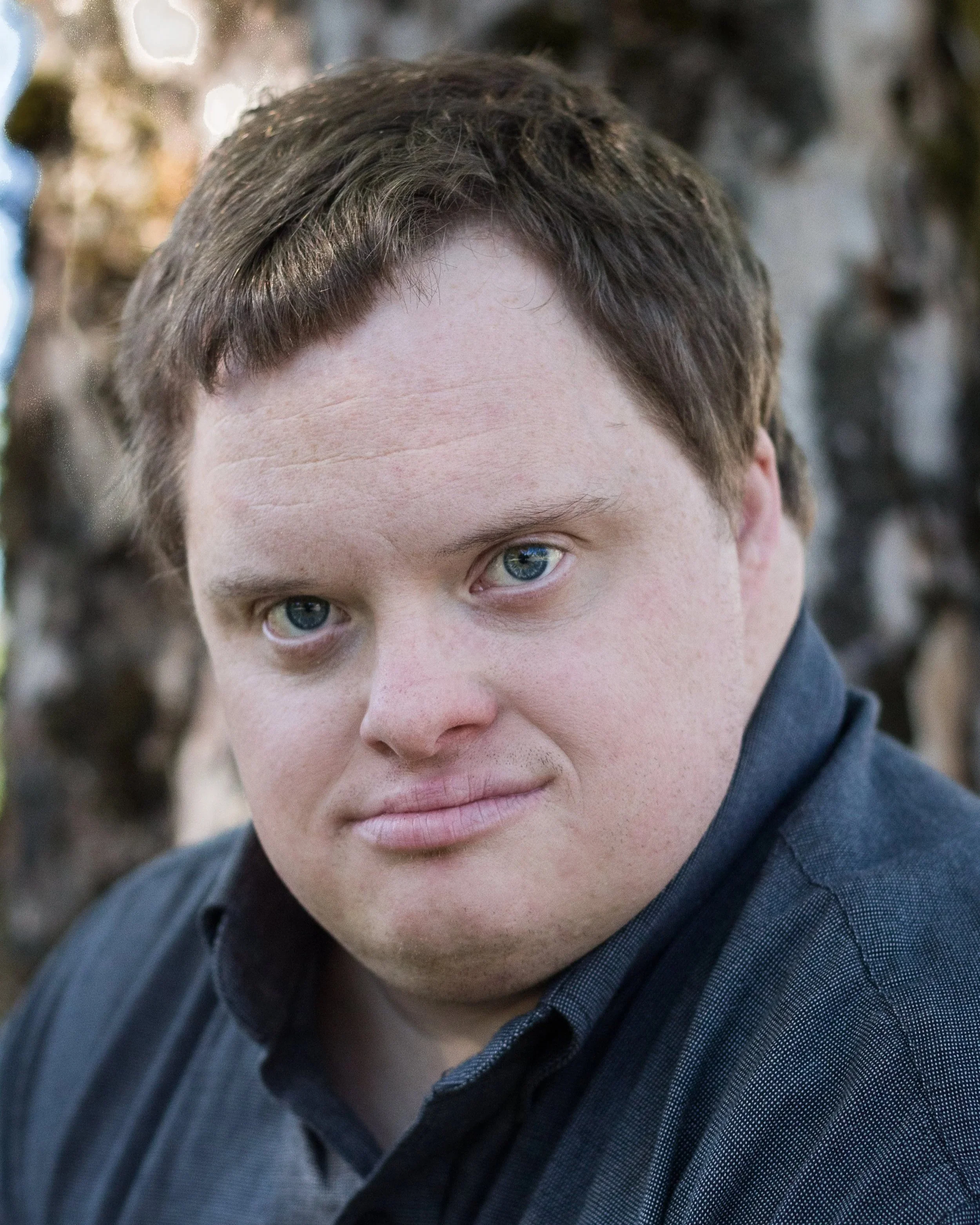
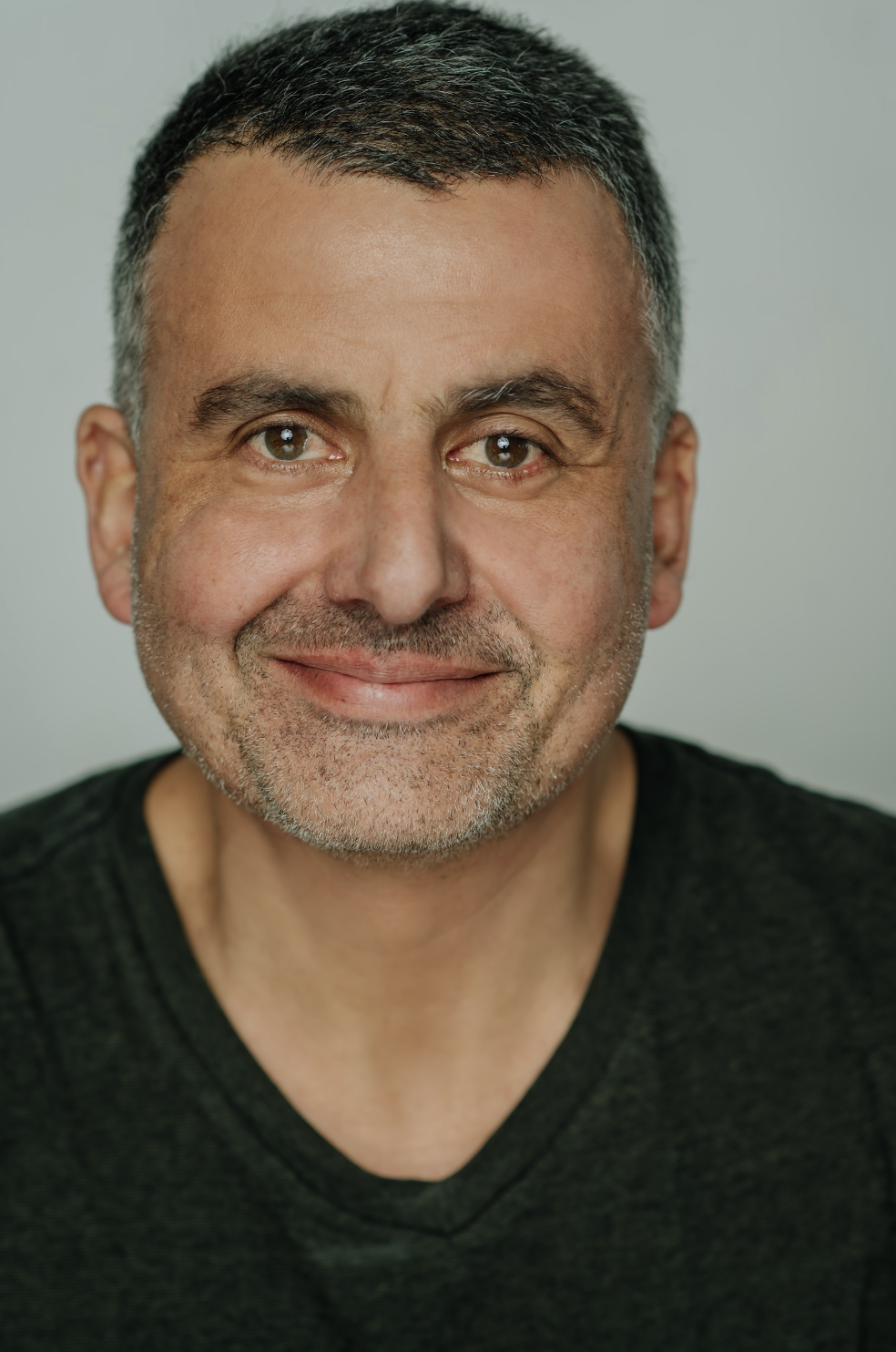
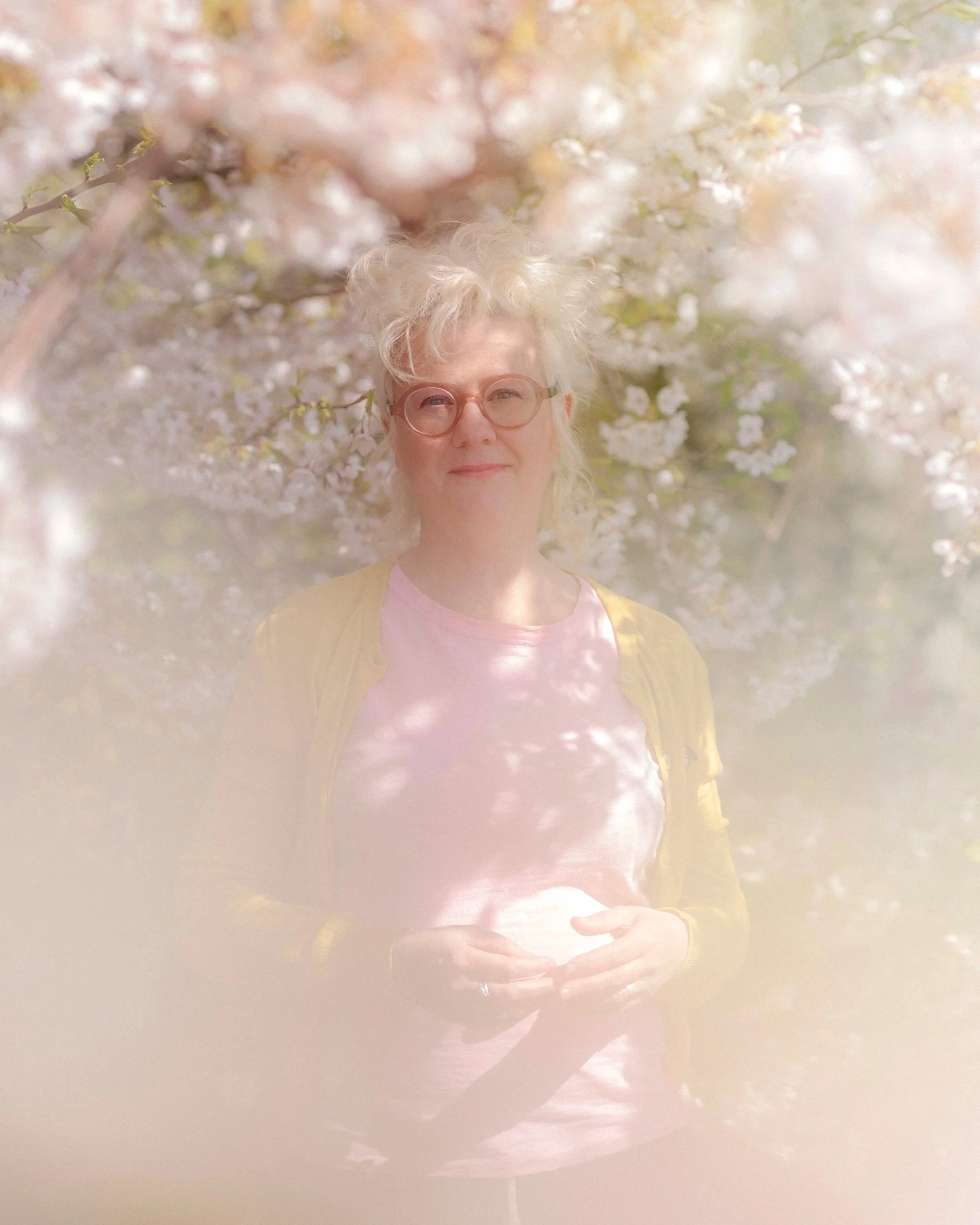
John Bolton
Producer / Director
“The relaxed performance of “King Arthur’s Night” (the play) that I saw at the PuSh Festival in Vancouver in 2018 was one of the greatest theatre-going experiences of my life. It was funny, sad and scary; I was amused, moved and upset; I laughed, cried and gasped. It made me think about the world in a new way, and it changed my life, and I could imagine it changing the world, if only the world could see it. Thanks to AMI, now it will.”
John Bolton is an award-winning filmmaker from Vancouver, Canada, and the founder & chief creative officer of Opus 59 Films, a boutique storytelling enterprise focused on adapting, and making films about, extraordinary works of music, literature and art. He brings a very particular erudition and sensibility to Opus 59 Films’ diverse portfolio of projects.
John is best known for "Aim For The Rose" (for Blue Ice Docs and Monoduo Films, with the support of the Canada Council for the Arts and the British Columbia Arts Council), about Canadian musician Mark Haney and Canadian daredevil Ken Carter. Exclaim! Magazine called it “enthralling and thought provoking”, the Globe and Mail called it “audacious and outrageous” and POV Magazine called it “bizarre, ambitious and ridiculously entertaining” and “the wildest, craziest, smartest doc in years”. "Aim For The Roses" had its world premiere at Hot Docs in Toronto, was the opening night film at DOXA in Vancouver, played in festivals around the world, had its broadcast premiere on CBC / Documentary Channel, and was nominated for 5 Leo Awards and a Vancouver Film Critics Circle Award. It’s available on Apple TV in Canada and Vimeo On Demand worldwide.
John recently produced and directed the documentary " The Lake / nx̌aʔx̌aʔitkʷ ", about an extraordinary friendship between two singers & teachers - Heather Pawsey of Astrolabe Musik Theatre, and Delphine Derickson of Westbank First Nation - and the groundbreaking cross-cultural collaboration in which they decolonized a historic Canadian opera by incorporating syilx / Okanagan perspectives. It had its world premiere at FIFA in Montreal. The Georgia Straight called it “remarkable, heartfelt and memorable” and the National Observer called it “fascinating” and said that “it’s hard to imagine if there can be many other films like it”.
John also recently produced Teresa Alfeld’s documentary "Doug And The Slugs & Me" (for CBC / Documentary Channel), a POV documentary following Teresa’s journey uncovering the story of her childhood best friend’s dad, Doug Bennett, leader of the legendary 1980s Canadian band Doug and the Slugs. It had its world premiere at DOXA in Vancouver, where it was the closing night film. The Globe and Mail called it “an atypical rock doc” and said that “the film has a soul”, POV Magazine called it “fun, fast and personal” and TV Eh? called it “wonderfully moving”.
Niall McNeil
Producer / Star / Subject
"I can answer about 25 questions about the film ... Arthur is really hard [to answer questions about]. He’s a great guy. He's a star. He's cool ... I really like me and Marcus. I like the music, when Veda is using her imagination. Same thing with Devon [Cooke, the location sound recordist]. Great sound ... Memories of Tiffany [King, who plays Guinevere] when she's sad ... When I first met John, we were having dinner, and I realized, maybe I could work with this guy. He’s extremely hard working, and tired all the time, and he never takes a break in the hot springs. Long days, long nights. I can't believe we have to get up at 5am ... We need people to watch the film, and see how they feel about watching cast who have Down syndrome, and watching cast who are non- Down syndrome ... It's a long wait. Everybody wants to see it."
Niall McNeil has been involved with theatre from an early age through his long association with the Caravan Farm Theatre in Armstrong BC. He was an ensemble member of Vancouver’s Leaky Heaven Performance Society from 1999-2006 under Director Steven Hill. In 2010 Niall performed in "A Christmas Carol" as a member of the English Acting Company of the National Arts Centre, directed by Peter Hinton.
Niall McNeil and Marcus Youssef have co-written two Jessie Richardson award winning plays: "Peter Panties" (Leaky Heaven / Neworld Theatre, 2011) and "King Arthur’s Night" (Neworld Theatre, 2017). Niall also acted in "King Arthur’s Night" as the main character King Arthur.
Niall acted in Marie Clements short film "Pilgrims" in 2012. It screened at the Toronto International Film Festival and at Telefilm Canada’s Not Short On Talent at the Cannes Market in 2012. Niall partnered with Marie again as creative collaborator and subject of the National Film Board of Canada’s feature length documentary film "Lay Down Your Heart", which won an audience award at the Vancouver International Film Festival in 2022.
"The Originals" is Niall’s debut documentary film as writer and director. Commissioned by Telus Originals, it premiered at Vancouver’s DOXA Film Festival in 2024 and screened at the Available Light Film Festival in 2025 and at the Oska Bright Film Festival in 2026.
Marcus Youssef
Producer / Star / Subject
"This project was the most massive undertaking of my artistic career, in scale, scope, and in the attempt to imagine a slightly better, more loving and more authentically inclusive society than the one we currently share. Its resonances with audiences across the country, and around the world was gratifying. John has realized it on an even bigger scale. His film version makes our production and the process we invented as part of making it accessible to people everywhere. I am grateful, and also a little cowed. It’s humbling to see our attempt to realize and honour the vision of an extraordinary artist who happens to have Down syndrome, as well as the complex, contradictory and loving inclusive community we built around it, come fully to life in the movies. And it’s thrilling, too.”
Playwright, actor and director Marcus Youssef is a recipient of Canada's largest theatre award, the Siminovitch Prize, for his body of work as a playwright and mentor. Marcus' plays all in some way investigate the consequences of difference, both real and perceived. They include "Winners and Losers", "Jabber", "ali and ali and the aXes of evil", "How Has My Love Affected You?", "The In-Between" and "A Line in the Sand". They have been produced in more than 20 cities and a dozen countries across North America, Asia and Europe, from Toronto to New York to London to Hong Kong, Venice and Berlin. Marcus' additional awards include Germany’s Ikarus Prize, the Vancouver Mayor’s Arts Award, the Rio Tinto Alcan Performing Arts Award, the Chalmers' Canadian Play Award, the Seattle Times Footlight award, the Vancouver Critics’ Innovation Award (three times), and an Honorary Fellowship from Vancouver’s Douglas College.
Veda Hille
Producer / Star / Subject
“I still can't believe our luck in getting to collaborate with John on this film. His clear love of our original work, paired with his vision for his adaptation, was a wild and intriguing ride all the way along. I love what he’s captured on film, and I look forward to having the film in the world for decades to come.”
Veda Hille is a Vancouver musician, composer, theatre maker, and performer. She writes songs, makes records, co-writes musicals, collaborates in devised theatre, and fulfills other interesting assignments as they arise. Veda performs in a wide array of places, alone or with bands, ensembles, symphonies, and casts. Her career spans 35 years of working in Canada and abroad. Veda’s work circles around many recurring interests: she writes about the natural world, amazement and the unknown, and the intricacies of human relationships. She strives for an ecstatic connection through weird detail, the universe visible through a microscope. All fancy language aside though, Veda Hille chases down the songs that are in her head and does her best to deliver them to the world, beautifully.
“John’s work is more than contemporary documentary - it’s an archive, a celebration, and a glorious act of storytelling. His care, consideration, and dedication throughout the filmmaking process has inspired its wide community of creators, reinforcing the value of artistic vision and inclusive practice in the arts.”
James Long
Producer
James Long is an Assistant Professor of Theatre and Performance at Simon Fraser University's School for the Contemporary Arts. His work, research, and teaching span a variety of contexts, including live performance, collaborative methods, community-engaged practice, urban intervention, and public art. His projects have been presented across North America, Europe, and Asia. From 2003 to 2022, James served as co-artistic director of Theatre Replacement with Maiko Yamamoto. In 2019, they became the first co-recipients of Canada's largest honour for performance-making, the Siminovitch Prize.
Marcus Youssef
Producer / Star / Subject
Veda Hille
Producer / Star / Subject
Niall McNeil
Producer / Star / Subject
John Bolton
Producer & Director
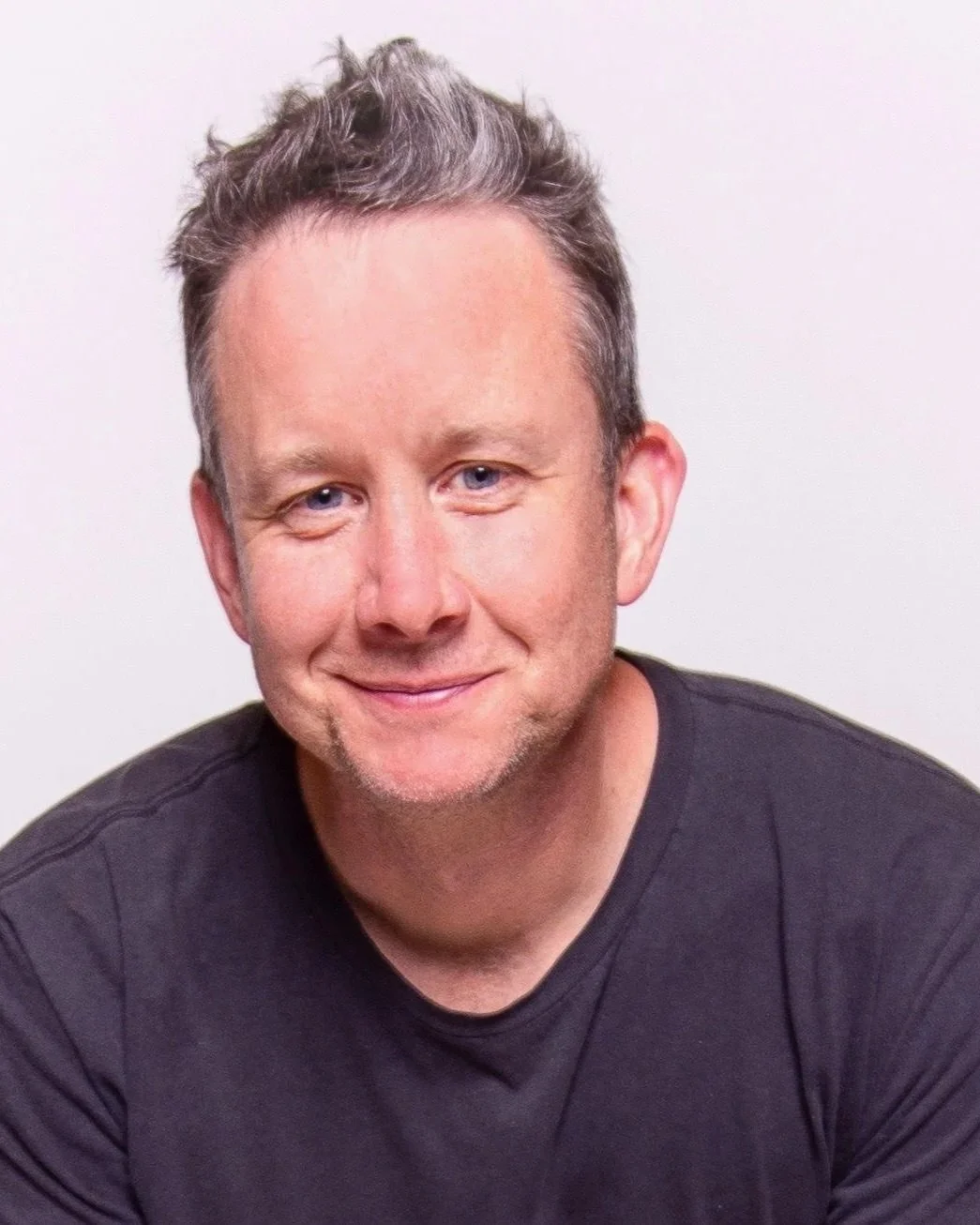
James Long
Producer